
 EN
What Are Brackets Used For in Home Improvement?
A bracket is a small piece of hardware with a large job: it transfers weight or resists movement where a shelf, counter, rail, cabinet, or frame meets a wall or another surface. In home improvement, the right bracket can turn unused wall space into storage, keep a countertop from sagging, steady a handrail, or reinforce a furniture repair. The important point is that a bracket is not merely decorative. Its shape, material, fasteners, and anchoring surface all affect whether the installation stays secure.
As a practical DIY rule, choose the bracket for the load path first and the finish second. A beautiful iron bracket is still the wrong choice if it is mounted only into weak drywall for a heavy pantry shelf. Conversely, an ordinary steel bracket can be nearly invisible once it is placed correctly and the shelf is loaded sensibly.
The basic purpose of a bracket
Most home-improvement brackets support a projecting load. The horizontal leg carries a shelf, ledge, or counter; the vertical leg attaches to the wall or cabinet side. Together, the two legs create a triangle or right angle that helps resist the tendency of the load to rotate downward. That is why an L-shaped shelf bracket is so common: it gives a direct, compact way to support a flat board.
Other brackets mainly connect or stabilize parts. A corner bracket can keep a cabinet box square. A rail bracket holds a handrail away from the wall. A post bracket can secure a fence or pergola member to concrete. In each case, the bracket manages force at a joint that would otherwise rely on a few screws or on the material alone.
Common bracket uses around the home
1. Supporting shelves
Shelving is the most familiar use for a bracket. Open kitchen shelves, garage storage, laundry-room organizers, bookcases, and closet shelves all depend on a shelf bracket or concealed support system. Match the bracket depth to the shelf depth: a very short support under a deep shelf leaves too much unsupported overhang. Then consider the actual load, including books, dishes, tools, and the shelf board itself.
Spacing matters as much as the individual bracket. A widely used installation guideline for light to medium shelving is to keep supports no more than 24 inches apart, but that is only a starting point. Heavier contents, particleboard shelves, long spans, and shallow wall anchors may require closer spacing or a stronger bracket. Follow the rating supplied for the specific hardware and base the decision on the weakest part of the assembly.
2. Reinforcing countertops and bar tops
A countertop overhang gives stools and knees room, but it also creates leverage. Hidden steel countertop supports or heavy-duty L brackets can carry that overhang back to the cabinet structure. Here, the bracket needs to be sized for the counter material, overhang, and expected use. Stone, solid-surface, and thick wood tops should be planned with the fabricator or installer rather than supported by a guess.
3. Mounting handrails and grab rails
A handrail bracket keeps the rail at a comfortable distance from the wall and passes pulling force into solid framing. This is a safety-sensitive use, so the bracket should attach to studs, blocking, or another verified structural backing whenever possible. Decorative finishes are useful, but sound anchoring remains essential. If a rail will assist someone on stairs or near an entry, check local building requirements and use hardware intended for that purpose.
4. Building furniture and cabinet repairs
Small corner brackets are helpful when a table apron loosens, a cabinet corner racks, or a bed-frame connection needs reinforcement. A furniture bracket spreads the stress across a wider area than a single screw. Choose a size that fits without splitting thin stock, pre-drill where needed, and use fasteners that are short enough not to break through a visible face.
5. Supporting outdoor projects
Deck accessories, planters, gate frames, pergolas, and exterior shelving may use a bracket to connect wood, metal, or masonry. Outdoor hardware should be selected for the exposure: corrosion-resistant coatings or suitable stainless steel are often more appropriate than an indoor decorative bracket. The fastener and the substrate matter here too; an outdoor bracket is only as reliable as its connection to sound wood or properly prepared masonry.
How to choose the right bracket
- Start with the load. Estimate what will sit on the shelf or pull on the rail, including everyday use rather than an empty-room photo.
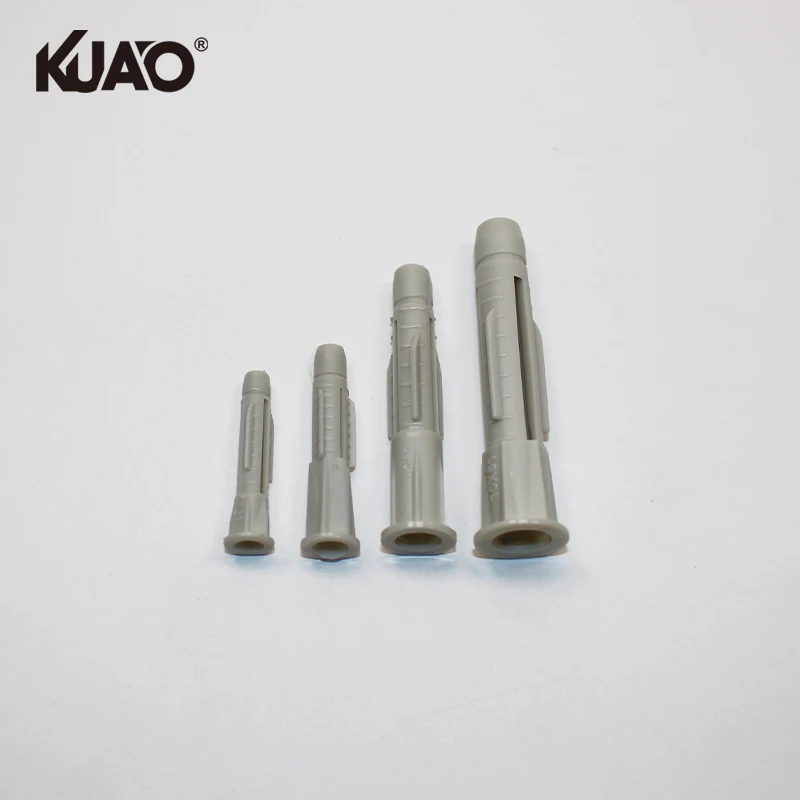
- Check the mounting surface. Wood studs, solid wood framing, concrete, and masonry can accept different fasteners. Drywall alone usually calls for a lighter-duty application or a different support plan.
- Compare dimensions. The bracket depth, leg length, hole pattern, and clearance should suit the object being supported.
- Use the manufacturer rating carefully. A stated capacity may assume a particular wall material, screw type, spacing, and installation method.
- Choose material for the environment. Steel is common for strength; stainless steel and protected finishes are useful where moisture is a concern; wood brackets may be mainly decorative unless designed as structural supports.
A simple installation check before you load it
- Locate framing or confirm the anchor type before drilling.
- Hold the bracket in position and mark all holes with a level.
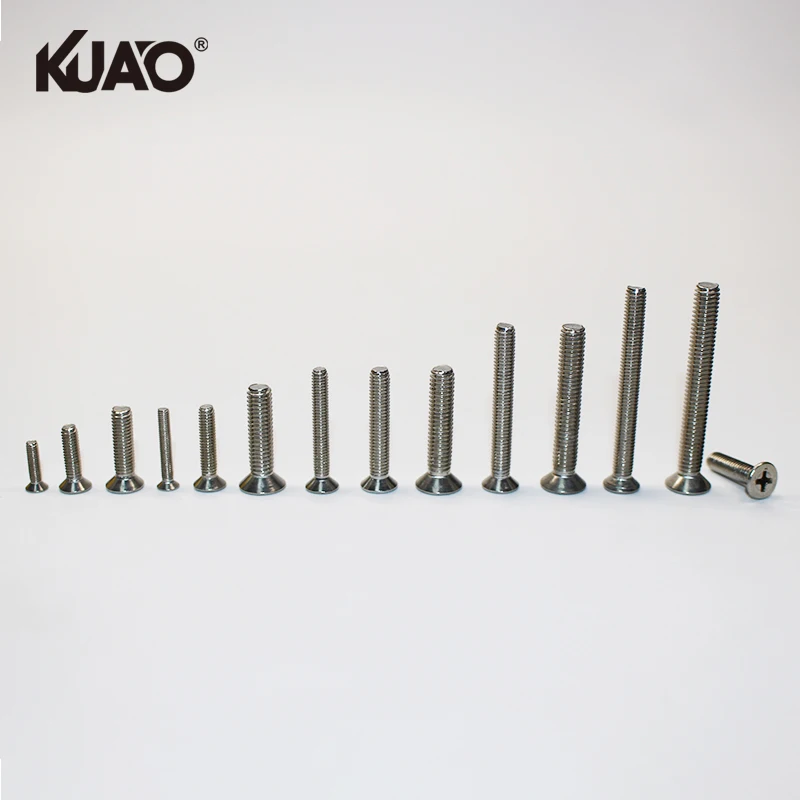
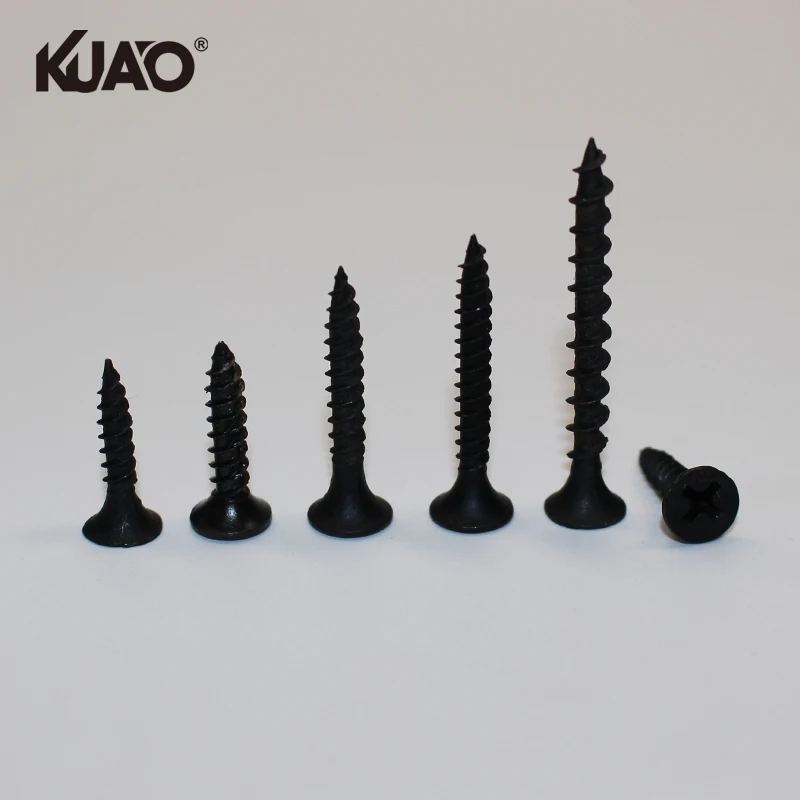
- Use the recommended screws, anchors, or bolts; do not substitute undersized fasteners.
- Install each bracket firmly, then place the shelf or supported piece.
- Test with a light load first and inspect for movement, bending, loose fasteners, or wall damage.
If the installation will carry a concentrated load, support a person, or attach to uncertain framing, stop and get project-specific advice. Adding another bracket may help, but it will not correct unsuitable anchors, damaged framing, or an overloaded shelf board.
Decorative brackets still need a practical role
Scrollwork and wood corbels can add character under shelves, mantels, and counters. Treat a decorative bracket as structural only when its mounting method and product guidance support that use. Some pieces are made to look substantial while serving as trim. A concealed steel bracket behind or above the decorative element can be a better approach when the project needs real load support.
Final takeaway
In home improvement, a bracket is used to support, connect, reinforce, or stabilize a project. Whether you are adding a garage shelf, repairing furniture, installing a rail, or planning a counter overhang, select the bracket around the load and the mounting surface. Good hardware, correct spacing, and secure fasteners work together; focusing on only one of those details is where many DIY installations go wrong.


 Hot News