In the fast-paced B2B hardware landscape, businesses are increasingly turning to hardware one-stop solutions to streamline their procurement workflows, reduce operational costs, and mitigate supply chain risks. Yet, for many buyers and even industry newcomers, the term remains vague. What exactly does a hardware one-stop solution entail? Is it merely a comprehensive product catalog featuringfasteners, architectural hardware, and precision components, or does it encompass a more holistic set of services spanning the entire supply chain—from raw material sourcing to after-sales technical support?
This article aims to demystify hardware one-stop solutions by breaking down their core components and walking through the full supply process step by step. Whether you’re a manufacturing enterprise sourcing CNC-machined hardware, a construction firm procuring structural fasteners and door hardware, or a distributor seeking reliable hardware supply chain partners, understanding these details will help you evaluate whether a one-stop hardware solution aligns with your business needs—and how to maximize its value.
1. Defining Hardware One-Stop Solutions: Beyond Just Product Assortment
First, it’s critical to distinguish a genuine hardware one-stop solution from a simple "multi-product supplier." A one-stop hardware solution is not just about offering a wide range of hardware products (though that’s a foundational element). Instead, it’s an integrated service model designed to handle every stage of a client’s hardware procurement journey—from demand analysis and product selection to custom fabrication, CNC machining, surface finishing, logistics, after-sales support, and even long-term supply chain optimization.
For B2B clients, the core value of this model lies in "simplification" and "reliability." Instead of coordinating with multiple suppliers for different hardware components (e.g.,hex bolts, stainless steel hinges, tungsten carbide tools, electrical junction boxes), clients can work with a single partner that manages all these needs. This reduces communication costs, shortens lead times, minimizes the risk of mismatched material specifications (such as A2/A4 stainless steel grades or SAE 1018 carbon steel), and ensures consistent quality across all procured items through standardizedquality control (QC) protocols.
Key characteristics of a robust hardware one-stop solution include: a comprehensive product portfolio covering multiple hardware categories (fasteners, architectural, mechanical, electrical, and custom hardware), customizable services tailored to client-specific needs (e.g., custom forging, powder coating, anodizing), end-to-end supply chain management capabilities, and a dedicated service team with expertise in hardware material science and industry compliance standards (such as ISO 9001, ASTM, DIN, and GB). Now, let’s dive into the step-by-step breakdown of the full supply process that underpins these characteristics.
Step 1: Demand Analysis & Consultation – The Foundation of Tailored Hardware Solutions
The first stage of a hardware one-stop solution is not about selling products—it’s about understanding the client’s unique needs. This starts with a detailed consultation, where the one-stop supplier’s team (often including hardware application engineers and technical consultants) works closely with the client to clarify key requirements.
What does this consultation entail? For manufacturing clients, it may involve discussing production processes, material specifications (e.g., 304/316 stainless steel grade, carbon steel thickness tolerance), performance requirements (e.g., corrosion resistance rating, tensile strength, load-bearing capacity), and production timelines. For construction clients, the focus might be on building code compliance (e.g., ASTM A325 for structural bolts), project timelines, bulk order quantities, and on-site delivery requirements for heavy-duty hardware. For distributors, it could include market demand trends for specialty fasteners, packaging customization (e.g., bulk packaging vs. retail-ready packaging), and private labeling needs.
During this stage, the supplier may also conduct a needs assessment to identify potential pain points. For example, if a client is struggling with frequent delays from multiple suppliers for custom machined components, the one-stop supplier can propose a consolidated supply plan to shorten lead times by integrating in-house CNC machining and raw material inventory. If a client has unique technical requirements that off-the-shelf products can’t meet—such as high-temperature resistant fasteners for industrial furnaces—the supplier can recommend custom alloy fabrication options.
A critical part of this step is documentation and confirmation. The supplier should provide a detailed demand analysis report outlining the client’s requirements, proposed hardware solutions, material selection rationale, and expected outcomes. This ensures alignment between both parties and lays the groundwork for the subsequent stages.
Step 2: Product Selection & Customization Design – Matching Needs to Precision Hardware Solutions
Based on the demand analysis, the next step is to select or design hardware products that precisely meet the client’s requirements. For standard needs, this involves drawing from the supplier’s comprehensive product catalog—a key advantage of hardware one-stop solutions. A top-tierone-stop hardware supplier typically offers products across multiple categories, including:
-
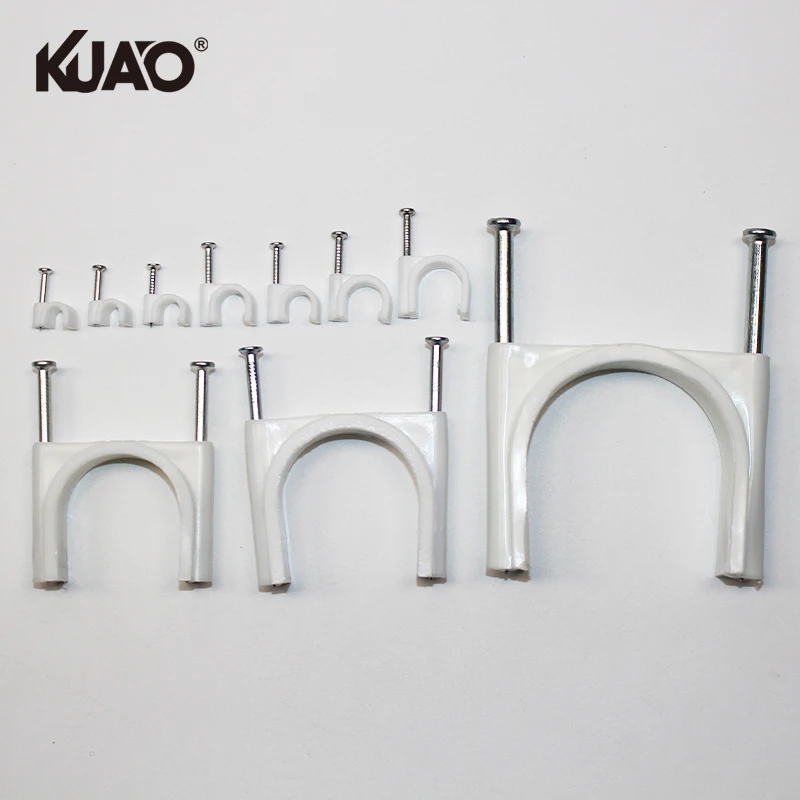
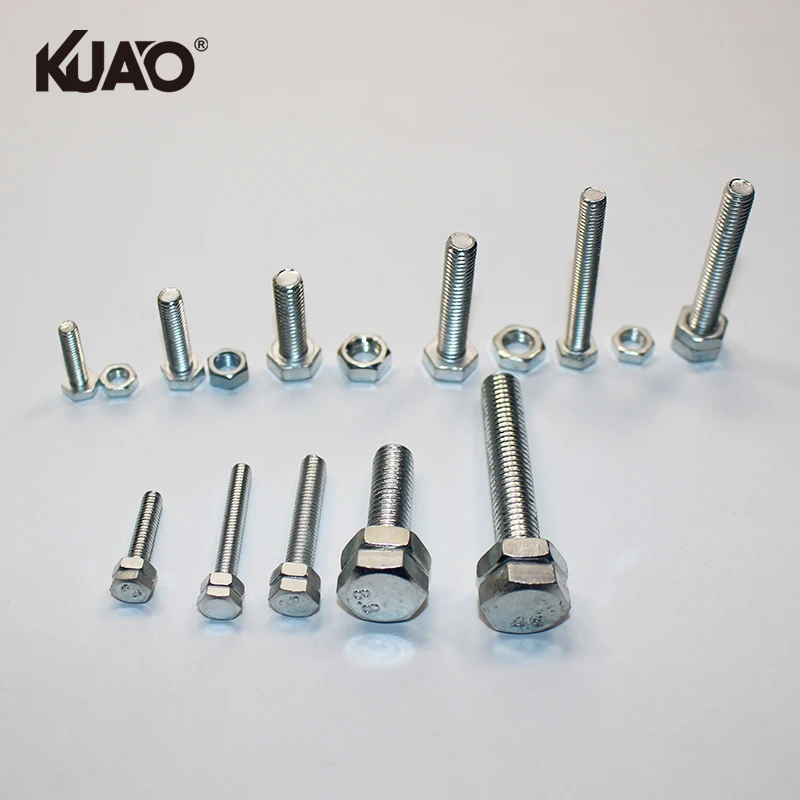
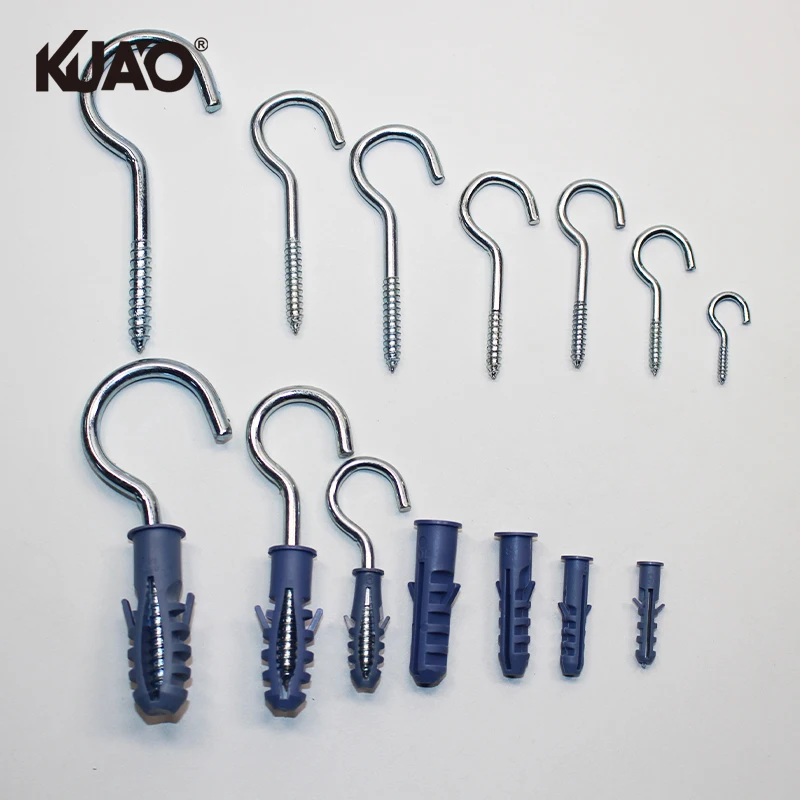
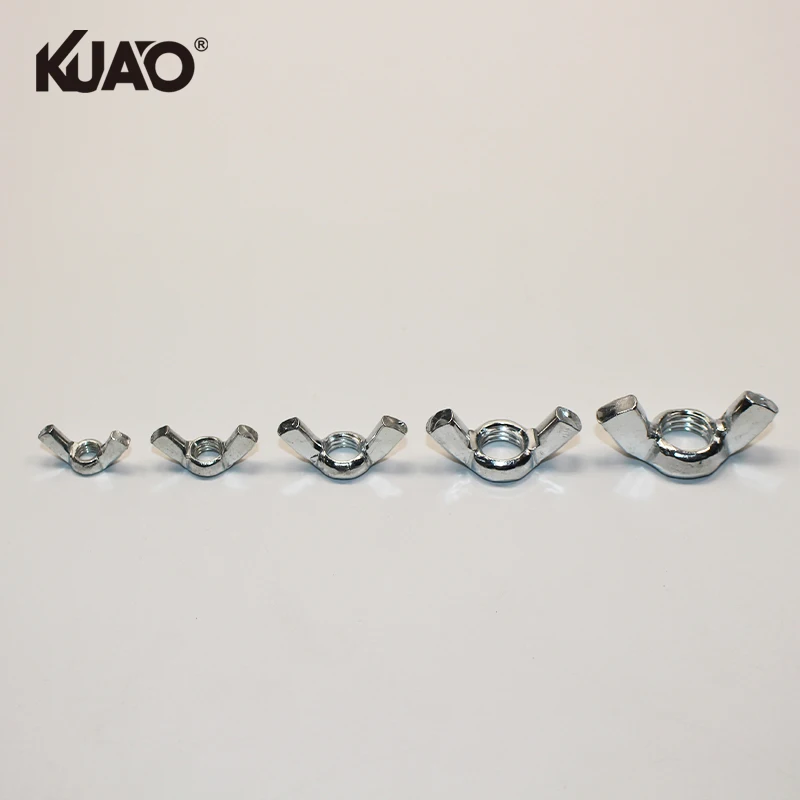
Fasteners: Hex bolts, lock nuts, self-tapping screws, spring washers, chemical anchors, rivets, and threaded inserts (in various materials: stainless steel, carbon steel, brass, aluminum, and specialty alloys).
-
Architectural hardware: Stainless steel hinges, mortise locks, lever handles, door closers, window fittings, and glass clamps (compliant with EN 1906, ANSI/BHMA standards).
-
Tools & Precision Components: Hand tools (wrenches, pliers, screwdrivers), power tool accessories (drill bits, saw blades), measuring tools (calipers, micrometers), bearings (ball bearings, roller bearings), and gears.
-
Electrical hardware: Electrical junction boxes, circuit breakers, terminal blocks, cable glands, and switchgear components (compliant with IEC, UL standards).
-
Mechanical hardware: Chains, sprockets, bushings, couplings, and pulleys.
-
Custom hardware: Tailor-made CNC machined parts, custom forged components, precision stamping parts, and custom-assembled hardware kits for specific industries (e.g., automotive, aerospace, medical devices, renewable energy).
For clients with non-standard requirements, the supplier moves into customization design. This involves a collaborative process where the supplier’s mechanical engineering team works with the client to develop product designs, select appropriate materials, and finalize technical specifications (e.g., tolerance levels, surface roughness, heat treatment requirements). The design phase may include 3D modeling (CAD/CAM), prototype development (via rapid prototyping or CNC milling), and rigorous testing (e.g., salt spray testing for corrosion resistance, torque testing for fasteners,fatigue testing for mechanical components) to ensure the customized product meets performance and quality standards.
For example, a client in the automotive industry may need custom flange bolts with specific thread patterns (e.g., M12 x 1.75) and zinc-nickel plating for enhanced corrosion resistance. The one-stop supplier would handle the design, prototype production using CNC turning, and testing (e.g., tensile strength testing per ASTM F606, salt spray testing per ASTM B117) before moving to mass production via cold heading. This customization capability—backed by expertise in hardware manufacturing processes—is what sets genuine hardware one-stop solutions apart from basic suppliers.
Step 3: Sourcing & Production Oversight – Ensuring Quality Through Rigorous QC Protocols
Once the product selection or customization design is confirmed, the one-stop hardware supplier takes full responsibility forraw material sourcing and overseeing production. This is a critical stage that directly impacts product quality, lead times, and cost efficiency—core concerns for B2B hardware buyers.
For standard products, the supplier leverages its established network of qualified manufacturers to source products that meet the client’s material specifications and quality standards. A reputable hardware one-stop solution provider has strict vendor qualification processes, including audits of manufacturing facilities, quality management systems (QMS), and compliance with industry standards (e.g., ISO 9001 for quality, ISO 14001 for environmental management). They also conduct incoming inspections for all sourced products, checking for dimensional accuracy, material consistency, and surface defects.
For customized products, the supplier manages the entire production process—from raw material sourcing (e.g., procuring billets for forging, sheet metal for stamping, bar stock for CNC machining) to manufacturing, inspection, and packaging. This includes: selecting high-quality raw materials from trusted material suppliers (with material test reports (MTRs) provided to clients), overseeing production processes (e.g., cold heading for fasteners, investment casting for complex components,CNC turning/milling for precision parts, surface finishing such as electroplating, powder coating, or passivation), and implementing rigorous in-process and final quality control checks.
Quality control is a non-negotiable part of this stage for hardware one-stop solutions. The supplier should have a dedicated quality assurance (QA) team that conducts inspections using advanced testing equipment—such as coordinate measuring machines (CMMs) for dimensional accuracy, spectrometers for material composition analysis, and hardness testers for heat-treated components. Common quality checks include: verifying thread dimensions (per ANSI/ASME B1.1 for unified threads), testing surface finish (per Ra/Rz standards), and validating mechanical properties (e.g., yield strength, hardness).
Additionally, the supplier provides regular production updates to the client, keeping them informed of progress and addressing any issues that may arise (e.g., material shortages, production bottlenecks). This transparency is a key differentiator for hardware one-stop solutions, as it helps build trust and ensures that the production process aligns with the agreed timeline and specifications.
Step 4: Packaging & Labeling – Tailored to Logistics, Storage, and Brand Needs
Packaging is a critical but often overlooked component of the hardware supply chain, especially for B2B clients that may be shipping bulk hardware orders to multiple locations or storing products in warehouses. A hardware one-stop solution includes customized packaging and labeling services to meet the client’s specific logistics, storage, and branding needs—addressing common pain points like product damage during transit and inefficient inventory management.
Packaging considerations for hardware products include protection (to prevent damage to precision components or finished surfaces during transit), convenience (for storage and handling—e.g., stackable cartons, palletized packaging), and cost efficiency (to minimize shipping costs by optimizing package size and weight). The one-stop supplier can recommend appropriate packaging materials based on the product type: small fasteners may be packaged in poly bags with dividers inside sturdy cartons, while fragile hardware (e.g., precision tools, glass hardware fittings) may require individual packaging with shock-absorbing materials likefoam inserts or bubble wrap. For bulk orders, wooden pallets or steel racks may be used to facilitate handling with forklifts.
Labeling services are also tailored to the client’s needs—another value-added feature of hardware one-stop solutions. This may include: product labels with material specifications, size/quantity, and batch/lot numbers (for traceability); barcodes or QR codes for inventory management (integrating with the client’s ERP system); shipping labels with destination information andhazardous material warnings (if applicable, e.g., for hardware with flammable coatings); and private labels for distributors looking to brand the products as their own. The supplier ensures that all labels comply with international shipping regulations (e.g., ISPM 15 for wooden packaging) and industry standards, reducing the risk of delays or issues during customs clearance.
Step 5: Logistics & Delivery – End-to-End Hardware Supply Chain Coordination
One of the biggest advantages of a hardware one-stop solution is end-to-end logistics management—eliminating the need for clients to coordinate with multiple freight forwarders or carriers for different hardware products. Instead, the one-stop supplier takes care of all logistics arrangements, from the manufacturing facility to the client’s desired destination (whether it’s a warehouse, production plant, construction site, or distribution center).
This stage of the hardware supply chain includes: selecting the most cost-effective and efficient shipping method (e.g., sea freight for bulk hardware orders, air freight for urgent custom components, land freight for regional deliveries), arranging for pickup and delivery, handling customs clearance (for international shipments—critical for hardware products that often have specific harmonized system (HS) codes), and providing real-time shipment tracking information so the client can monitor progress.
For international clients, the one-stop hardware supplier’s expertise in customs regulations is invaluable. Hardware products often have specific customs classifications (e.g., HS code 7318 for fasteners, 8302 for architectural hardware) and documentation requirements—such ascertificates of origin, material safety data sheets (MSDS), quality inspection reports, and compliance certificates (e.g., CE marking for the EU, UL listing for North America). The supplier handles all these documents, ensuring that the shipment clears customs smoothly and avoids costly delays—a common pain point for businesses sourcing hardware from global suppliers.
Additionally, the supplier may offer value-added logistics services that enhance the hardware one-stop solution: warehousing (for clients that need temporary storage of seasonal hardware products or safety stock), order fulfillment (for distributors that require direct shipping to their customers—known as "drop shipping"), and just-in-time (JIT) delivery (for manufacturing clients that want to minimize inventory costs by receiving hardware components exactly when needed for production). These services further streamline the client’s supply chain and improve operational efficiency.
Step 6: After-Sales Support – Ensuring Long-Term Satisfaction for B2B Hardware Clients
A genuine hardware one-stop solution doesn’t end with delivery—it includes comprehensive after-sales support to address any issues that may arise and ensure long-term client satisfaction. In the B2B hardware industry, where product reliability and technical support directly impact the client’s business operations (e.g., a defective batch of structural fasteners can delay a construction project), after-sales service is a key differentiator.
After-sales support services for hardware one-stop solutions typically include:
-
Technical assistance: Providing guidance on hardware installation, usage, and maintenance (e.g., advising on torque specifications for fasteners, cleaning procedures for corrosion-resistant hardware). For complex custom components, the supplier’s application engineers can offer on-site or remote support (via video calls) to ensure proper integration into the client’s production process.
-
Quality issue resolution: Addressing any quality problems promptly— a critical commitment for hardware one-stop solution providers. If a batch of products fails to meet the agreed material specifications or performance standards (e.g., fasteners that don’t meet tensile strength requirements), the supplier should offer a replacement, refund, or repair—depending on the client’s needs. They may also conduct a root cause analysis (e.g., investigating raw material quality, production process errors) to prevent similar issues from occurring in the future.
-
Warranty services: Offering product warranties to give clients peace of mind. The length and coverage of the warranty vary depending on the product type (e.g., a 1-year warranty for power tool accessories, a 5-year warranty for stainless steel architectural hardware, a lifetime warranty for industrial bearings). Warranties for hardware one-stop solutions often cover manufacturing defects and material failures, excluding normal wear and tear.
-
Feedback collection and continuous improvement: Seeking client feedback on the product and service to identify areas for improvement. A proactive one-stop hardware supplier uses this feedback to refine its supply chain processes, expand its product portfolio (e.g., adding sustainable hardware options like recycled aluminum components), and enhance its service quality—ensuring the hardware one-stop solution evolves with the client’s changing needs.
Long-term clients may also benefit from ongoing supply chain optimization services as part of the hardware one-stop solution. The supplier can analyze the client’s procurement patterns, identify opportunities to reduce costs (e.g., through bulk ordering discounts, alternative cost-effective materials like aluminum instead of stainless steel for non-corrosive environments), and adjust the supply plan to meet changing business needs (e.g., seasonal demand fluctuations for construction hardware, expansion into new markets requiring compliance with local standards).
Key Advantages of Choosing a Hardware One-Stop Solution for B2B Procurement
Now that we’ve broken down the full supply process, let’s summarize the key advantages that ahardware one-stop solution offers to B2B clients—advantages that directly address the unique challenges of sourcing hardware components:
-
Reduced operational costs: By consolidating procurement with a single one-stop hardware supplier, clients save on communication costs (managing one partner instead of multiple), logistics costs (bulk shipping discounts, optimized packaging), and administrative costs (processing fewer purchase orders, invoices, and delivery receipts).
-
Shorter lead times: Integrated hardware supply chain management eliminates delays caused by coordinating with multiple suppliers for different components. The hardware one-stop solution provider can streamline production (e.g., prioritizing custom orders) and logistics (e.g., choosing the fastest shipping method) to meet tight deadlines—critical for time-sensitive projects like construction or manufacturing launches.
-
Consistent quality: Strict quality control protocols and vendor management ensure that all hardware components meet the same high material specifications and performance standards. This reduces the risk of defective products that can disrupt business operations (e.g., a batch of faulty electrical junction boxes causing production downtime) and damage the client’s reputation.
-
Simplified procurement: Clients have a single point of contact for all their hardware needs—from standard fasteners to custom machined components. This makes it easier to manage orders, resolve issues, and plan for future procurement (e.g., forecasting demand for seasonal hardware products).
-
Customization flexibility: The ability to design and produce custom hardware components (backed by mechanical engineering expertise and advanced manufacturing processes) ensures that clients get products that precisely meet their unique requirements—something that basic suppliers often can’t provide.
-
Risk mitigation: The one-stop hardware supplier assumes responsibility for supply chain risks (e.g., material shortages, production delays, customs issues, quality failures), reducing the client’s exposure to these risks and allowing them to focus on their core business.
How to Evaluate a Hardware One-Stop Solution Provider
Not allhardware one-stop solution providers are created equal. When choosing a partner for your B2B hardware procurement needs, it’s critical to evaluate the following factors—focused on their ability to deliver quality, reliability, and value:
-
Product range and customization capabilities: Does the supplier offer a comprehensive portfolio of hardware categories (fasteners, architectural, mechanical, electrical)? Can they handlecustom fabrication, CNC machining, and surface finishing for non-standard requirements? Do they have experience with your industry’s specific hardware needs (e.g., aerospace-grade fasteners, marine hardware)?
-
Quality control and certifications: Does the supplier have strict quality control protocols (incoming, in-process, final inspections)? Are their products and manufacturing facilities certified to relevant industry standards (e.g., ISO 9001, ASTM, DIN, CE, UL)? Do they provide material test reports (MTRs) and quality inspection certificates?
-
Logistics and global reach: Can the supplier handle international shipping and customs clearance for global hardware procurement? Do they have a network of reliable logistics partners to ensure timely delivery? Do they offer value-added logistics services like warehousing and JIT delivery?
-
After-sales support: Does the supplier offer technical assistance (installation, maintenance), warranty services, and prompt resolution of quality issues? Do they have a dedicated after-sales team with hardware expertise?
-
Industry experience and reputation: How long has the supplier been in the B2B hardware industry? Do they have positive reviews and case studies from other clients in your industry? Can they provide references?
-
Transparency and communication: Does the supplier provide regular updates on production and logistics? Is their team responsive to client inquiries (e.g., answering questions about material specifications or delivery timelines)? Do they have clear pricing and terms?
Conclusion: The Future of B2B Hardware Procurement Lies in One-Stop Solutions
A hardware one-stop solution is far more than a convenient way to source multiple hardware products—it’s a strategic partnership that simplifies the entire hardware supply chain, reduces costs, and enhances operational efficiency. By covering every stage of the procurement journey—from demand analysis and customization design to raw material sourcing, production, logistics, and after-sales support—one-stop hardware solutions are becoming the preferred choice for B2B clients looking to stay competitive in today’s fast-paced, global hardware industry.
As the industry continues to evolve—with trends like sustainable hardware (e.g., recycled materials, eco-friendly surface finishes) and digital supply chain management (e.g., AI for demand forecasting, blockchain for traceability)—we can expect hardware one-stop solution providers to leverage these technologies to further enhance their services. For B2B clients, choosing the right one-stop partner is not just a procurement decision—it’s an investment in the long-term success of their business, ensuring they have access to high-quality, tailored hardware solutions that meet their evolving needs.
If you’re looking to streamline your hardware procurement process, reduce supply chain risks, or access customized hardware solutions, a reputable hardware one-stop solution provider can help you achieve these goals. By understanding the full scope of services that a one-stop hardware solution includes—backed by industry expertise, rigorous quality control, and end-to-end supply chain management—you can make an informed decision and unlock the full value of this integrated model for your B2B hardware needs.
 Hot News

 EN
EN