
 EN
Nuts and Bolts: Essential Fasteners for DIY Projects
In a DIY project, a nut is the small threaded part that turns a bolt into a dependable clamping assembly. That sounds simple until a shelf bracket loosens, a workbench joint racks, or a garden fixture starts to rust. The useful question is not “Which nut suits the job?” but “Which nut, bolt, material, and locking method fit this job?”
As a practical starting point, identify the material you are joining, the load direction, whether the connection must come apart later, and the environment it will live in. A basic hardware assortment becomes much easier to use when each nut has a clear purpose.
Start with the bolt-and-nut match
A nut must match the bolt’s diameter, thread pitch, and thread system. A metric M6 nut, for example, is not interchangeable with a similarly sized imperial-thread bolt. Do not force a nut onto a bolt that starts crooked or binds after a turn or two. Cross-threading damages both pieces and can leave a joint that looks tight but has little holding reliability.
Check the markings or packaging first. If the bolt is unmarked and the project matters, take it to a hardware store or use a thread gauge. For a light-duty mock-up, testing the fit by hand is sensible; for a load-bearing repair, guessing is not. Washers also matter: a flat washer spreads force over softer wood, plastic, or thin metal, while a lock washer or another locking approach helps where vibration may work a standard nut loose.
Common nut types and where they help
| Nut type | Best DIY use | Watch for |
|---|---|---|
| Hex nut | General repairs, brackets, furniture, and simple assemblies | It can loosen under repeated vibration unless the assembly uses a suitable lock method. |
| Nylon-insert lock nut | Projects that move or vibrate, such as carts, gates, and some outdoor equipment | The insert adds resistance, but the nut still must match the bolt thread and be tightened correctly. |
| Wing nut | Tool-free adjustments on jigs, removable panels, and light fixtures | Hand tightening is convenient, not a substitute for a high-load connection. |
| Flange nut | Sheet-metal or bracket connections where a wider bearing surface is useful | Make sure the flange sits flat and does not bridge an oversized hole. |
| Cap nut | Exposed bolt ends on furniture or family-facing projects | Confirm that the bolt length fits inside the cap before final assembly. |
A standard hex nut is the everyday choice because it accepts common wrenches and works in many assemblies. A nylon-insert lock nut is often a better choice when a project experiences movement. A wing nut is useful when you need frequent hand adjustment, but it is not the right answer for structural fastening.
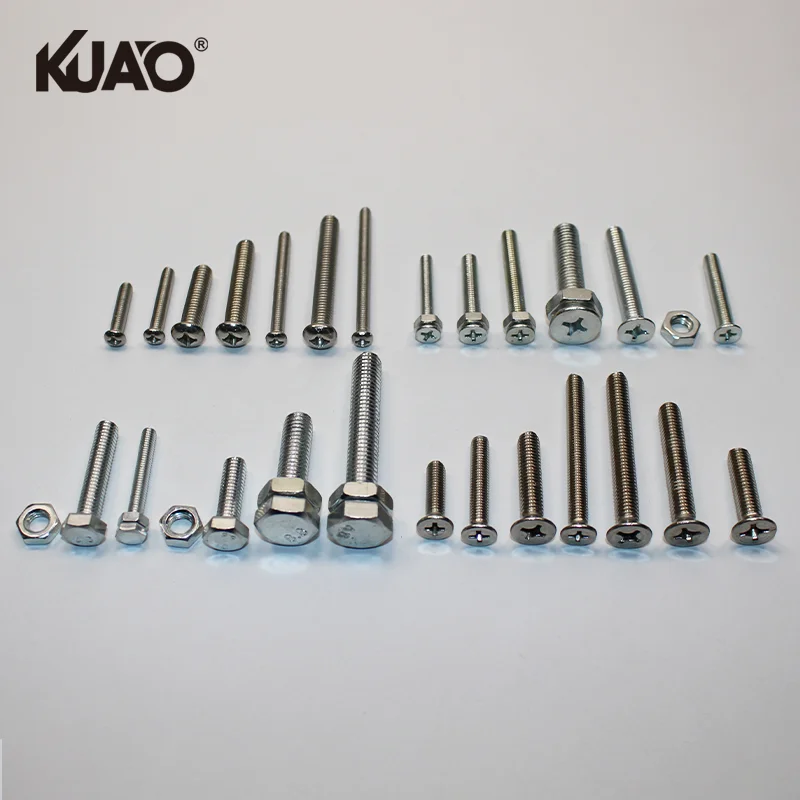
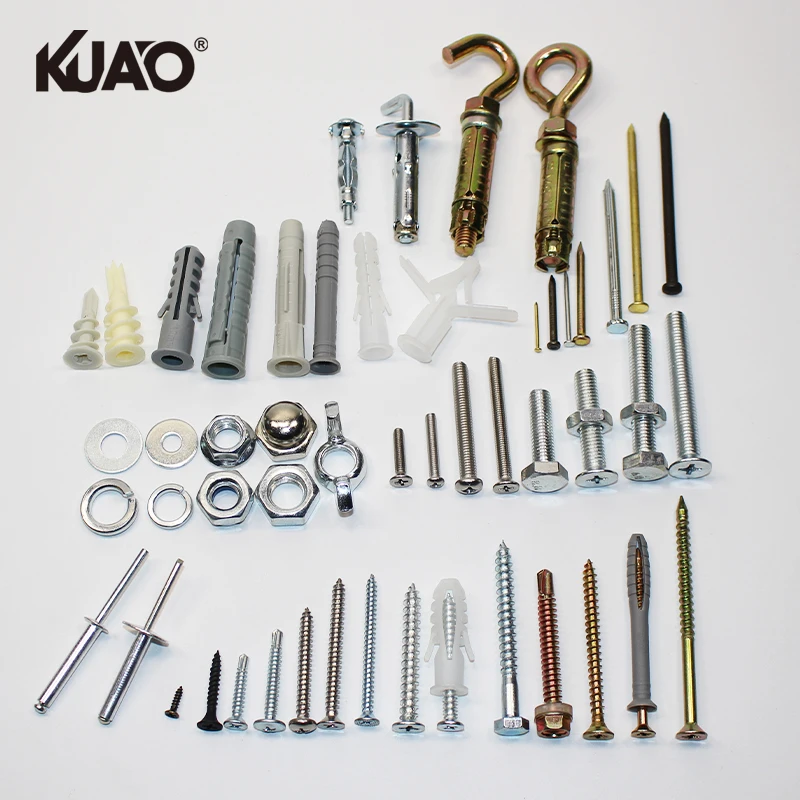
 Organize matching nuts, bolts, and washers before beginning a DIY assembly.
Choose material for the place the project will live
Indoor, dry projects often use plain or zinc-plated steel hardware. Zinc plating can add practical corrosion protection for ordinary indoor work and sheltered projects. Outdoor, damp, or coastal conditions deserve more thought. Stainless steel is commonly chosen where corrosion resistance is important, but it is not automatically the right material for every strength requirement or every metal pairing.
Here is the more useful rule: choose the nut and bolt as a compatible pair for the whole environment. A shiny finish is not proof of long-term outdoor suitability. If a fastener will see persistent moisture, chemical exposure, or safety-critical loading, check the project specification or ask a qualified professional about the required material and grade. This is especially important for railings, overhead items, vehicles, and electrical equipment.
Size the assembly around the material, not the package
For wood, a through-bolt with a washer and nut can provide a more serviceable connection than a screw when both sides are accessible. Use a washer under the nut so tightening does not crush wood fibers or pull into a soft surface. For thin metal, avoid overtightening: the bolt may remain tight while the sheet around it deforms. For plastic, spread the load and tighten gradually to avoid cracking.
When you begin to ask not “Which fastener has the most impressive label?” but “Will this nut work in my material and use case?” the decision becomes clearer. Diameter, thread engagement, washer size, and access for a tool matter as much as the hardware’s appearance.
A practical tightening routine
- Dry-fit the bolt, washer, and nut before drilling final holes.
- Start the nut by hand to confirm smooth thread engagement.
- Hold the bolt head with one tool and turn the nut with the other when possible.
- Tighten until the joined parts are secure without crushing, bending, or cracking.
- For moving assemblies, recheck the connection after initial use and consider a locking nut if vibration is present.
Do not compensate for a poor fit with extra force. If the nut will not seat, stop and inspect the thread, the hole alignment, and the stack of washers or spacers. A short correction at this point is much easier than extracting damaged hardware later.
Build a smarter DIY fastener kit
A useful starter kit includes several diameters of bolts, matching hex nuts, flat washers, a small selection of lock nuts, and a few wing nuts for adjustable projects. Keep metric and imperial pieces in separate labeled compartments. Sorting each nut with its matching bolt saves time and reduces accidental thread mismatch.
For repeatable household repairs or small furniture builds, buy hardware based on the jobs you actually make: brackets, shelving, wooden frames, removable panels, or garden fixtures. If you are planning retail-ready DIY kits or need many specifications in one order, a fastener supplier with broad SKU coverage can help you consolidate selection and packaging requirements. Still, the final nut choice should follow the load, material, thread, and environment of the specific project.
Final checklist before you tighten
- Does the nut match the bolt’s thread and diameter?
- Are the bolt length and washer size appropriate for the joined material?
- Will moisture, vibration, or repeated adjustment change the hardware choice?
- Is the project noncritical, or does it require a specified grade or professional review?
The humble nut is most useful when it is part of a considered assembly, not an afterthought. Match it carefully, tighten it thoughtfully, and a small DIY repair can stay secure and serviceable for much longer.
 Hot News