
 EN
EN
Common Applications of Cup Hooks in Home Storage
A cup hook is one of those small hardware items that is easy to overlook in the hardware aisle but ends up solving a surprising range of storage problems around the home. If you have ever wondered exactly where and how a cup hook fits into everyday home organization, this guide covers the most practical applications room by room, so you can decide which scenarios work for your space.
What Is a Cup Hook?
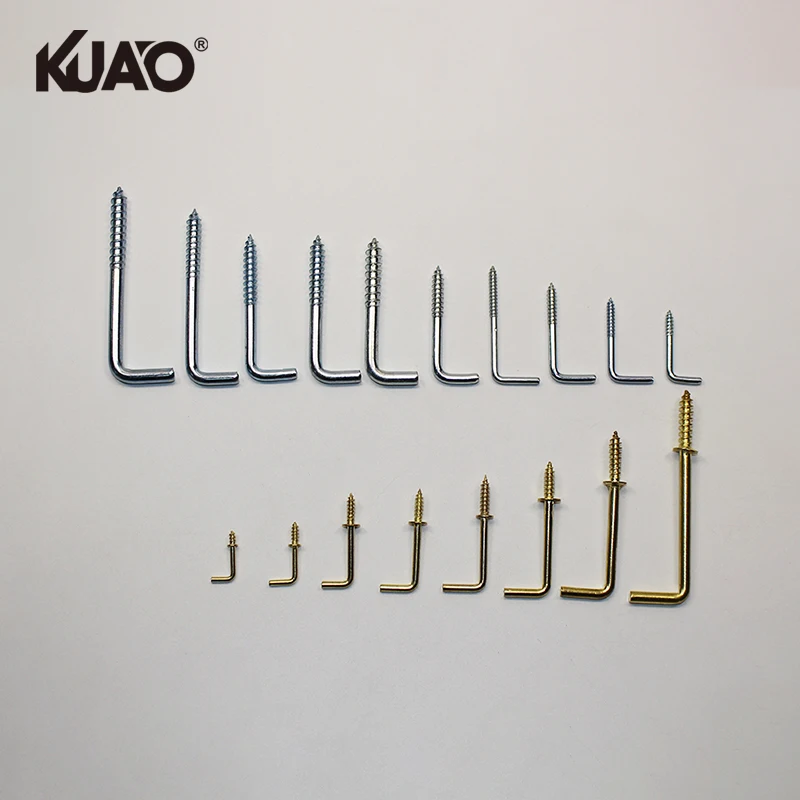
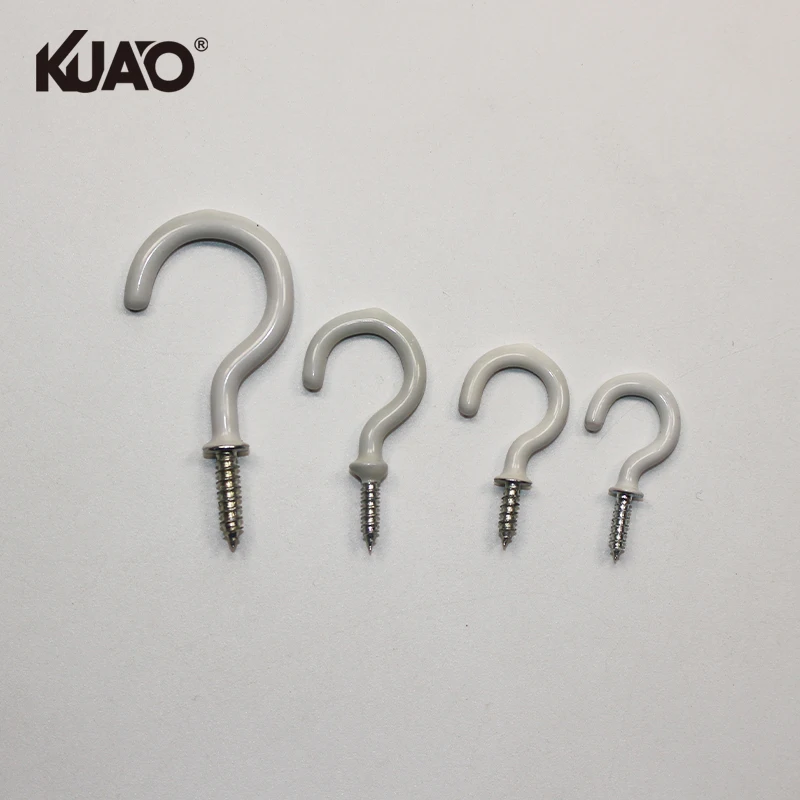
A cup hook is a small, C-shaped or J-shaped metal hook with a threaded screw end. You drive it directly into wood (cabinet bases, shelves, wall studs, or beams) and the curved end holds the item. No brackets, no anchors, no extra hardware required. That simplicity is what makes a cup hook useful across so many different situations.
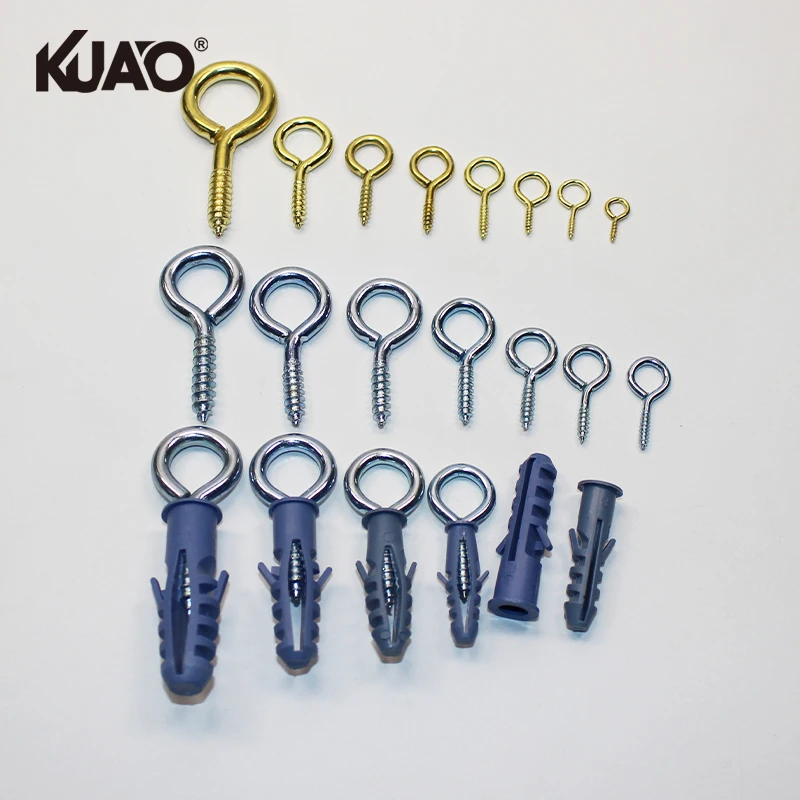
Cup hooks are available in multiple sizes and finishes, including brass, zinc-plated steel, and vinyl-coated. The right combination depends on what you are hanging and where.
Kitchen: Mugs, Cups, and Cookware
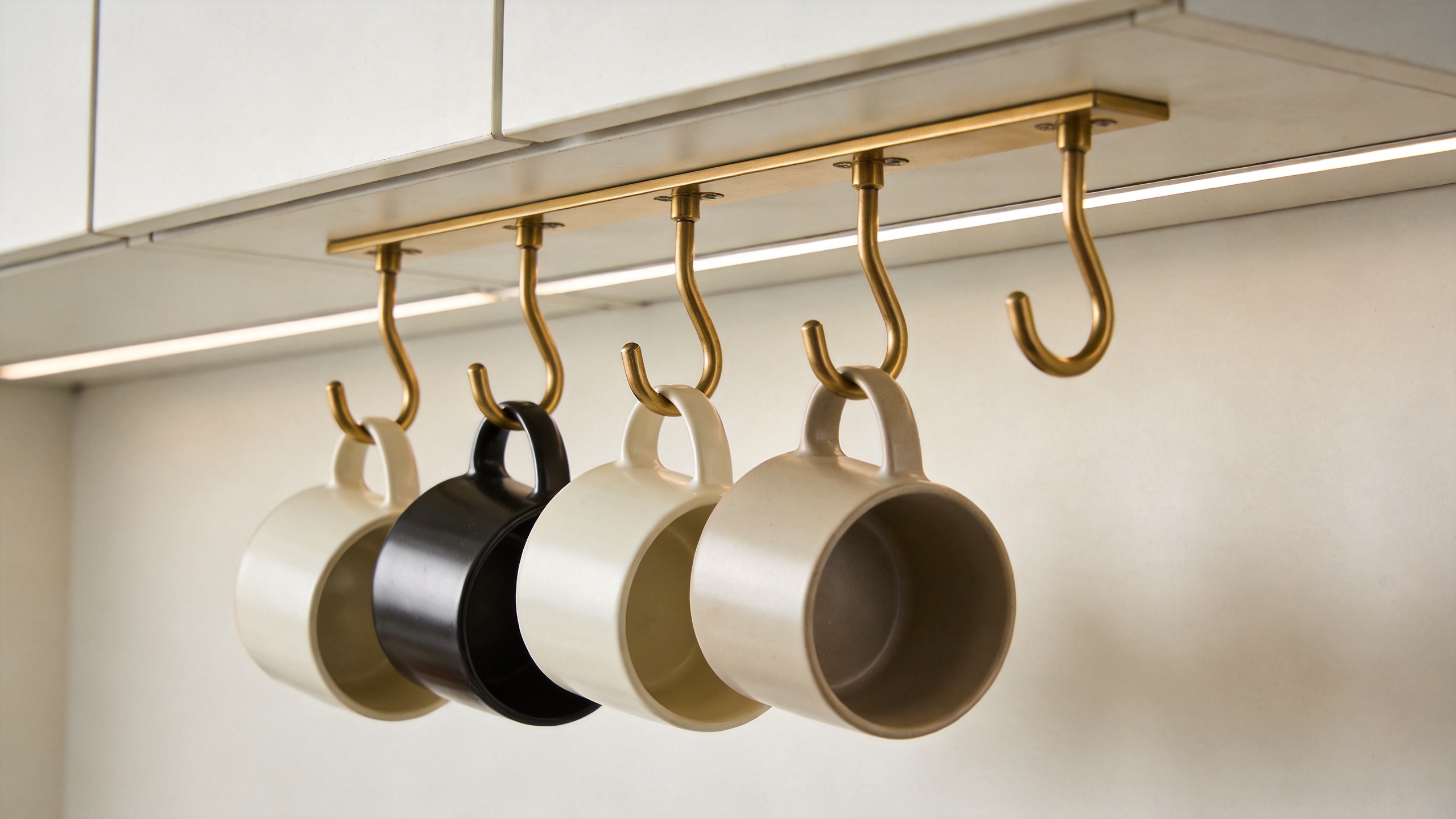
The kitchen is the most classic cup hook application. A row of cup hooks installed along the underside of kitchen cabinets creates a dedicated hanging space for mugs and cups, freeing up an entire shelf in the process. Every mug stays visible and accessible, rather than stacked behind other items.
A practical installation tip: position each cup hook about 1.5 inches in from the front cabinet edge, with at least 2 inches of clearance from the wall. This gives each mug room to hang freely. Space cup hooks about 3 to 4 inches apart to prevent mugs from touching.
For heavier cookware hanging from ceiling beams or overhead pot racks, larger cup hooks are the right choice. Some 1-1/4 inch cup hooks are rated up to 40 lbs, which covers most standard pots and pans.
Entryway: Keys, Bags, and Everyday Items
A short wooden board with a row of cup hooks mounted underneath it turns any blank wall in an entryway into an organized drop zone. Keys, dog leashes, reusable bags, and small umbrellas each get a dedicated hook. Because loads here are light, almost any size cup hook handles the job well. A brass or zinc-plated finish typically looks cleaner in an entryway than plain steel.
Bathroom: Towels, Robes, and Accessories
A single cup hook mounted on the back of a bathroom door or on a spare wall section holds a hand towel, robe, or bath bag without taking up floor space. Inside bathroom cabinets, cup hooks work well for hanging spray bottles, hair dryers, or curling irons by their handles, keeping items off the shelf surface and easier to reach.
In humid bathrooms, finish selection matters. A vinyl-coated cup hook resists moisture better than brass or standard steel. Zinc-plated cup hooks are a reasonable choice for lower-humidity bathrooms.
Closet and Bedroom: Jewelry and Accessories
Inside a closet or wardrobe, a few cup hooks on the interior wall or inside the door create hanging points for belts, scarves, necklaces, and small bags. A small wooden board with several cup hooks mounted on it makes a clean, functional jewelry display — necklaces hang without tangling and every piece stays visible.
For jewelry, a smaller cup hook (around 3/4 inch) looks more appropriate than a full-size hook and holds most pieces comfortably.
Garage and Workshop: Tools and Equipment
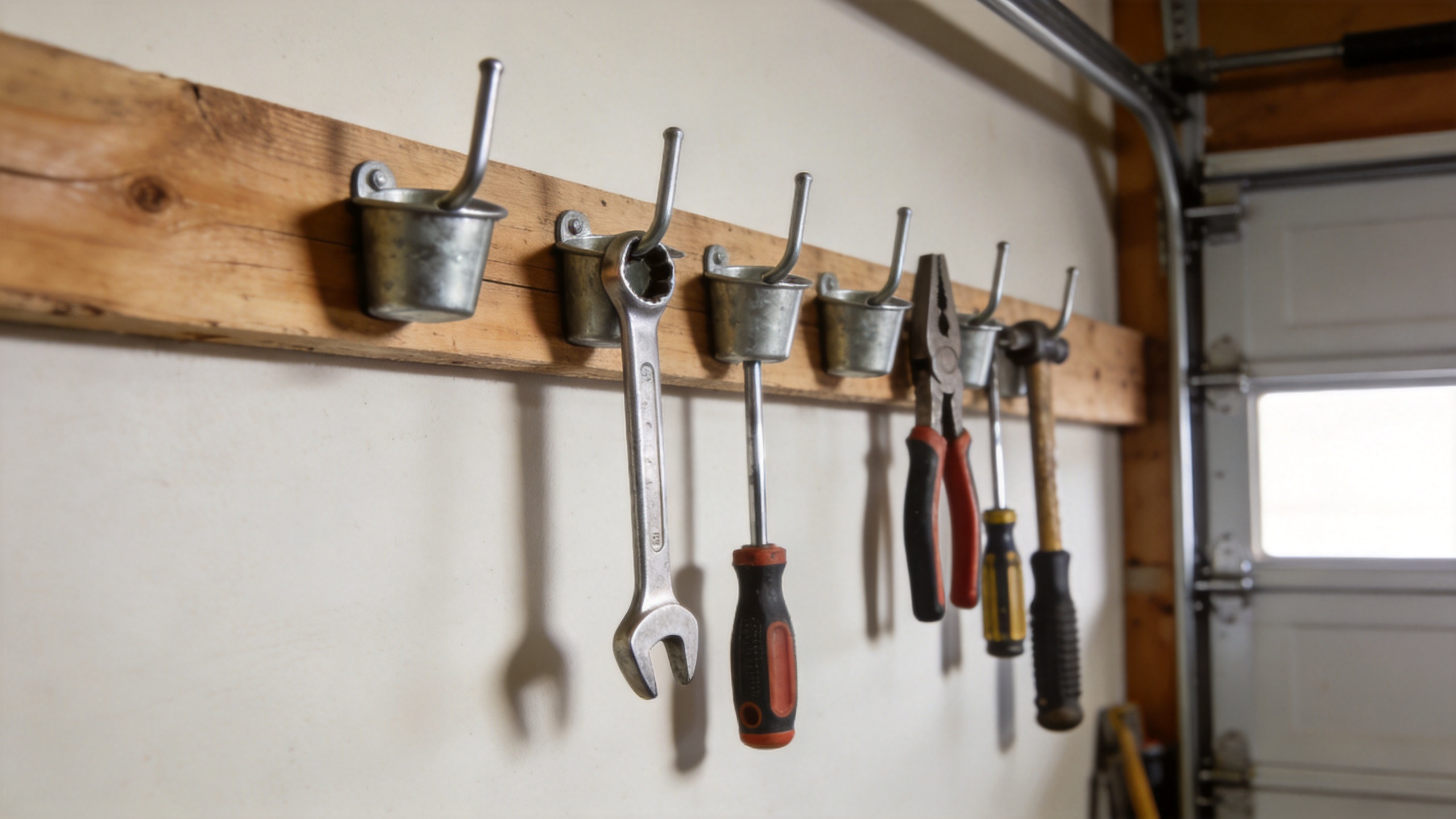
In a garage or workshop, a cup hook is standard hardware for creating hanging storage. Mounted into wooden wall studs, pegboard, or overhead joists, cup hooks hold hand tools, extension cords, bicycle helmets, and garden gloves. For heavier workshop items, confirm the weight rating on the cup hook packaging before installing — a 40-lb rated hook covers most typical workshop storage needs.
Overhead beam applications are where weight rating matters most. A cup hook installed in a ceiling beam handles overhead storage well, but verify the load limit before hanging anything heavy.
Laundry Room: Cleaning Supplies
The inside of cabinet doors in a laundry room is a practical location for a row of cup hooks. Spray bottles with trigger handles, lint rollers, and cleaning brushes all hang easily on a cup hook. Keeping bottles hanging rather than standing on a shelf reduces leaking and keeps everything visible at a glance.
Craft Room: Ribbon, Yarn, and Hobby Supplies
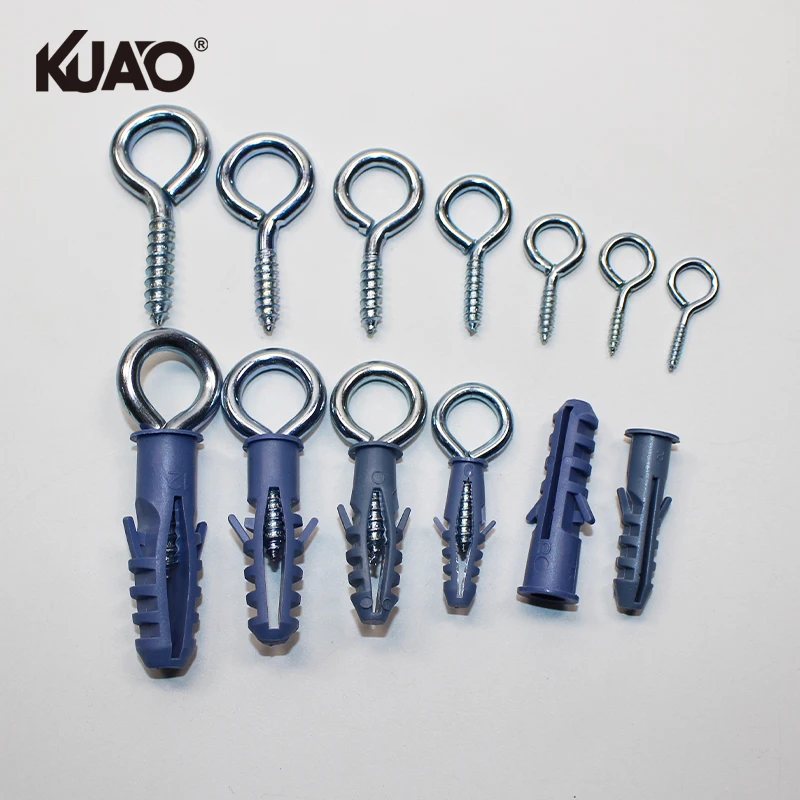
In a craft room, cup hooks mounted under a shelf hold spools of ribbon, yarn balls, or rolls of twine within easy reach. Paired with screw eyes, a cup hook also works as a simple linked hanger for model train displays or lightweight toy rigs, a traditional hardware technique that still works well for hobbyists.
Choosing the Right Cup Hook
Matching the cup hook to the application is more important than picking a specific brand. Here is a practical size guide:
- Small cup hooks (3/4 in. to 1 in.): Jewelry, keys, and lightweight decorative items. Good for display-oriented spots in dry rooms.
- Medium cup hooks (1 in. to 1-1/4 in.): Mugs, cups, small bags, spray bottles, hand tools. This is the most versatile range for household use.
- Large cup hooks (1-1/4 in. and above): Cookware, heavier bags, extension cords, overhead storage. Confirm the weight rating for this size range before installing.
For finish selection: brass cup hooks suit display-focused, dry-room applications; zinc-plated cup hooks work for most general indoor storage; vinyl-coated cup hooks are a practical choice for humid rooms like bathrooms and laundry areas, or anywhere you want to avoid scratching a surface.
One practical detail: cup hooks are designed for wood surfaces. When installing in particleboard cabinet bases — common in modern kitchens — the holding strength is lower than solid wood. Drive a cup hook into particleboard carefully to avoid stripping the hole, and stay well within the rated load.
Quick Installation Tips
Most cup hooks require no tools for lighter wood — you can start and finish by hand. For harder wood, drill a small pilot hole slightly narrower than the hook's screw diameter before installing. Hand-tight plus one firm quarter-turn is usually the right stopping point; over-tightening strips the hole and weakens the hold.
A cup hook is genuinely one of the simplest and most cost-effective home storage upgrades available. Whether you are adding a mug rack in the kitchen, a key strip by the front door, or tool hooks in the garage, the installation is quick and the daily impact is real. Start with one application and see how it changes the way you use that space.
 Hot News