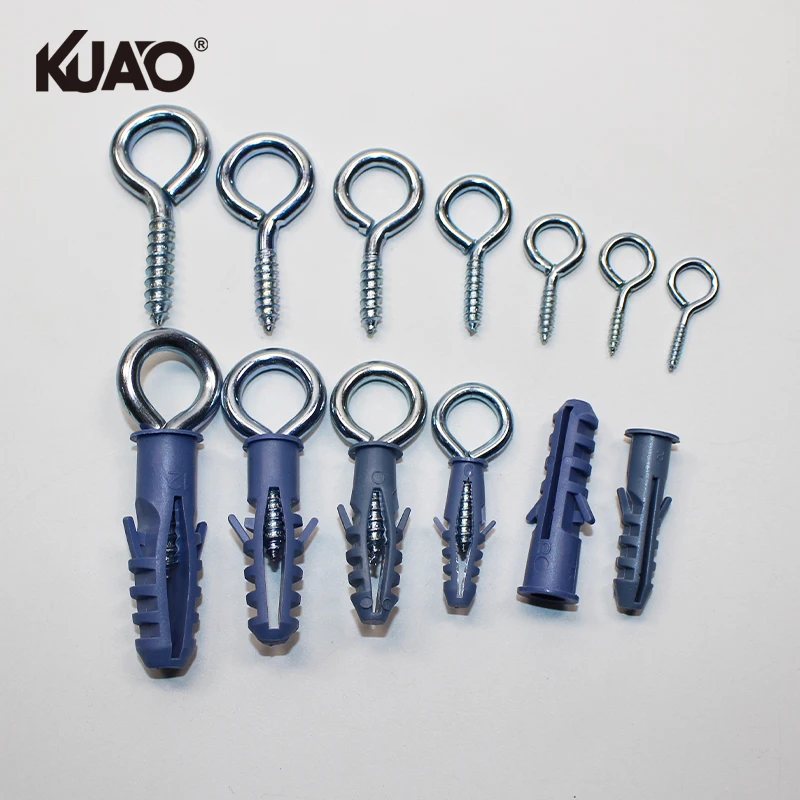
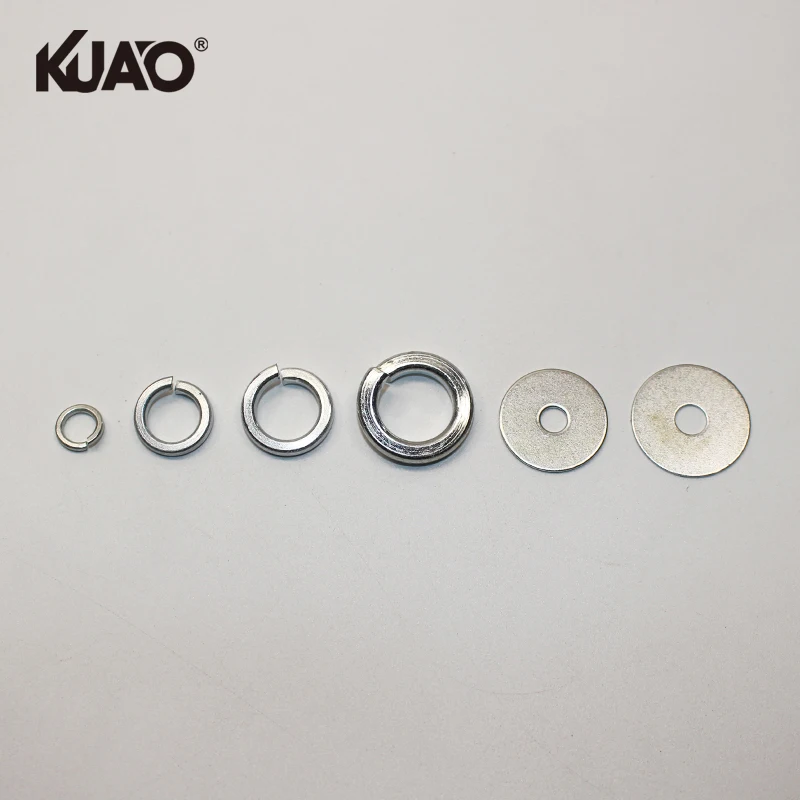
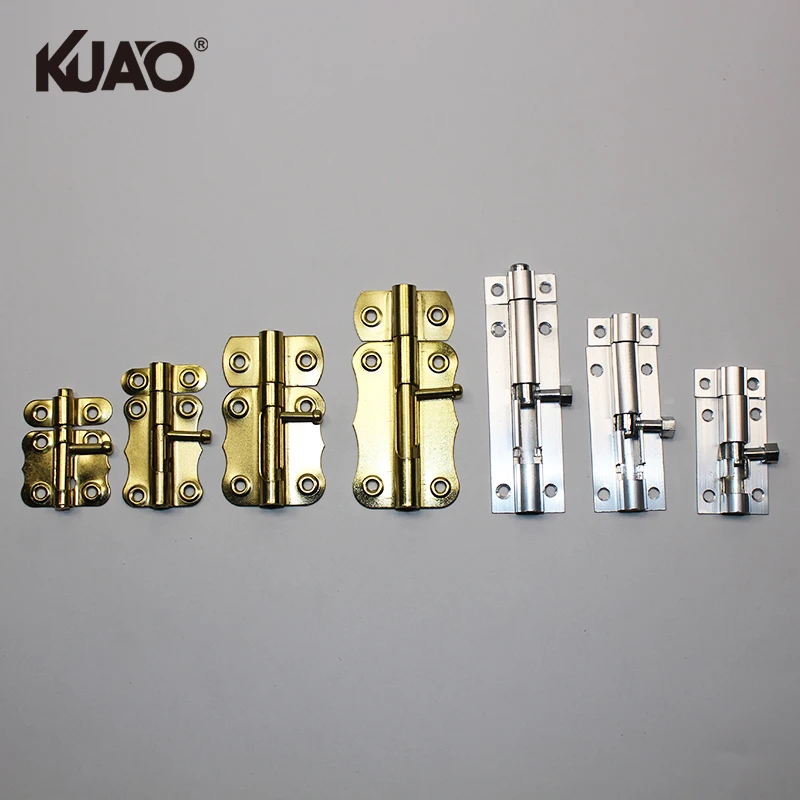
Wall plugs, sometimes called anchors, are those little sleeves that get put into holes drilled in things like brick, plasterboard, or concrete so we can hang stuff securely. If someone just screws directly into these materials, especially the brittle ones, they'll end up cracking everything apart. That's where wall plugs come in handy. When we drive a screw into them, they actually spread out sideways, turning the downward force into sideways pressure against the sides of the hole. This works because most building materials can handle being squeezed better than pulled apart. The result? We can safely hang anything from lightweight photos on the wall all the way up to big bulky air conditioning units without worrying about things falling down later.
Regular screws tend to strip or just plain come loose when used on things like drywall or old bricks that aren't very dense. That's where wall plugs step in to fix the problem. These little expanders basically create a stronger connection between the screw and whatever material it's going into. When they expand inside the hole, they generate enough friction to hold against sideways movement and also stop the screw from pulling right out. Take drywall for instance. A basic plastic anchor can boost holding strength somewhere around 4 times what it would be without one. The pressure gets spread out over a bigger area instead of concentrating all on that tiny screw tip, which helps avoid cracking or tearing the surrounding material.
Wall plugs stay put because they expand outwards while creating friction against whatever surface they're installed in. When we drive the screw in, it pushes the plug against the walls of the hole, spreading pressure evenly around all sides. Most modern plugs come with little ridges or flanges built right in these help bite into the material where the plug sits, which matters a lot when dealing with things like hollow walls or porous concrete blocks. What makes wall plugs so useful is this two part process turning what would normally be weak spots into areas that actually hold weight properly. Getting good results really comes down to picking the right type of plug for the job at hand. If we get this wrong, studies show friction drops off dramatically sometimes as much as 60% according to those engineering standards everyone references. That's why proper installation technique matters so much making sure pressure spreads out evenly across the whole surface instead of concentrating in one spot where it might just crack something delicate.
The amount of torque applied to a screw has a direct impact on how well a plug functions, mainly through two factors: shear resistance, which deals with sideways forces, and pull-out strength when something tries to come straight out. When we increase torque, the plug expands more, creating better grip through friction and mechanical locking until the material itself can't handle it anymore. Take drywall for example. Most standard drywall starts failing around 15 psi of compression pressure, so over tightening here leads to problems down the road. The difference in strength between materials is huge too. Concrete anchors can usually take about ten times what drywall anchors are rated for. Since shear failures happen all at once whereas pull-out issues build up slowly over time, smart engineers don't just look at size when selecting plugs. They match the specific characteristics of each plug type to what kind of forces will actually be acting on them in real world installations.
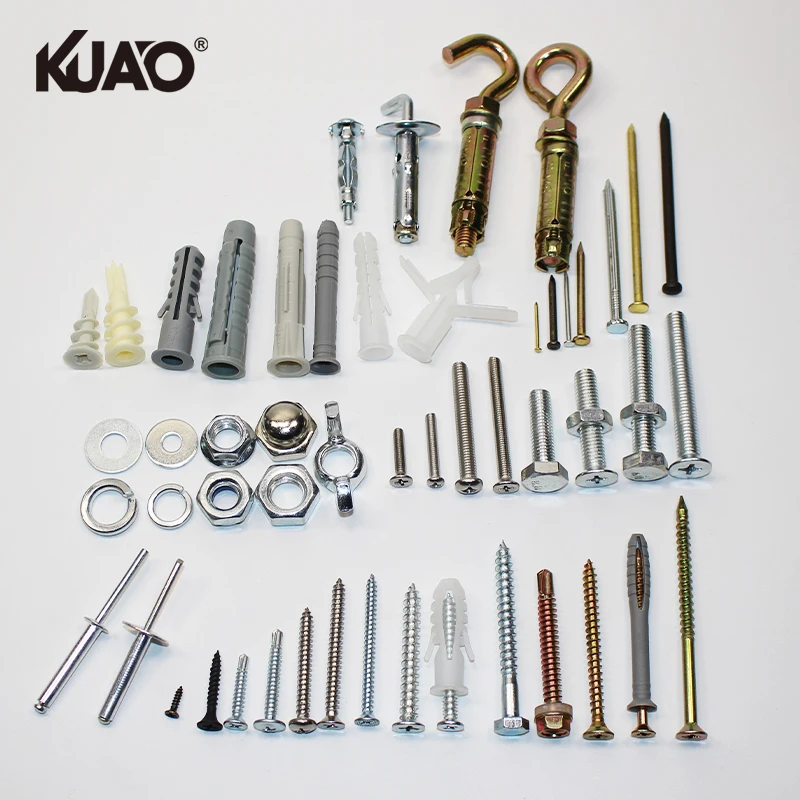
Different substrates demand distinct plug geometries to optimize load transfer and prevent damage:
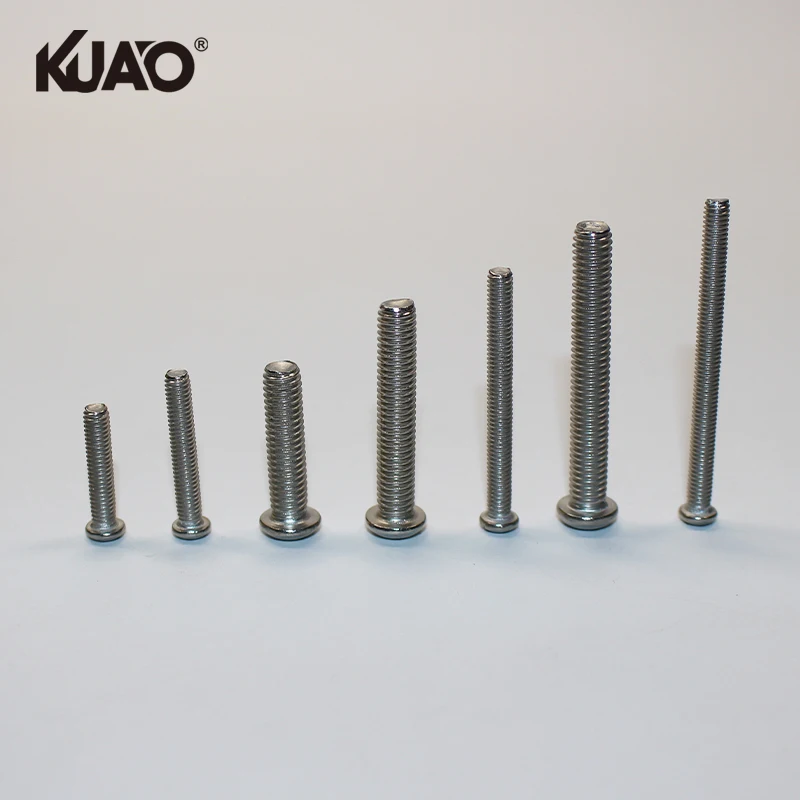
Choosing incorrectly invites failure: wedge-type plugs risk cracking brittle brick; expansion-only designs collapse hollow walls; oversized plugs reduce grip, while undersized ones shear under tension. Always match plug diameter to screw gauge (#8–#14) and drill bit size (±0.5 mm tolerance) for optimal performance.
Precise dimensional alignment among plug, screw, and drill bit is non-negotiable. Mismatches degrade shear resistance by 40–60%, according to independent testing by PTVs (2023). Three interdependent elements define success:
Over-torquing an undersized plug splits drywall; loose screws in brick strip threads before full expansion occurs. Manufacturer sizing charts reflect rigorously tested parameters—configurations that follow them consistently deliver up to three times the pull-out force of mismatched alternatives.
Wall plugs are the unsung cornerstone of safe, durable fastenings for every home, commercial, and industrial project—even the highest-quality screw will fail without the right anchor to match your substrate and load requirements. By pairing the correct plug type, size, and material to your application, you’ll unlock consistent, fail-safe holding power, reduced installation risk, and long-term cost efficiency.
For industrial and residential-grade wall plugs, complete hardware fastener kits, or custom OEM/ODM hardware solutions tailored to your market, retail, or brand needs, partner with a provider with proven global hardware expertise. Dongyang Kuaou Hardware Co., Ltd. brings 18 years of specialized experience as a one-stop hardware sourcing partner for global supermarkets, leading brands, and distributors worldwide. With an extensive range of wall plugs, screws, bolts, and assorted hardware accessories, backed by a robust network of 300+ partner factories and full end-to-end custom support, we deliver reliable quality, competitive pricing, and agile service for every project. Contact us today for a no-obligation quote and complimentary design support for your hardware fastening needs.
 Hot News
2025-12-16
2025-12-11
2025-06-05
2024-11-30

Dongyang Kuaou Hardware Co., Ltd.
Copyright © Dongyang Kuaou Hardware Co., Ltd. - Privacy policy

 EN
EN