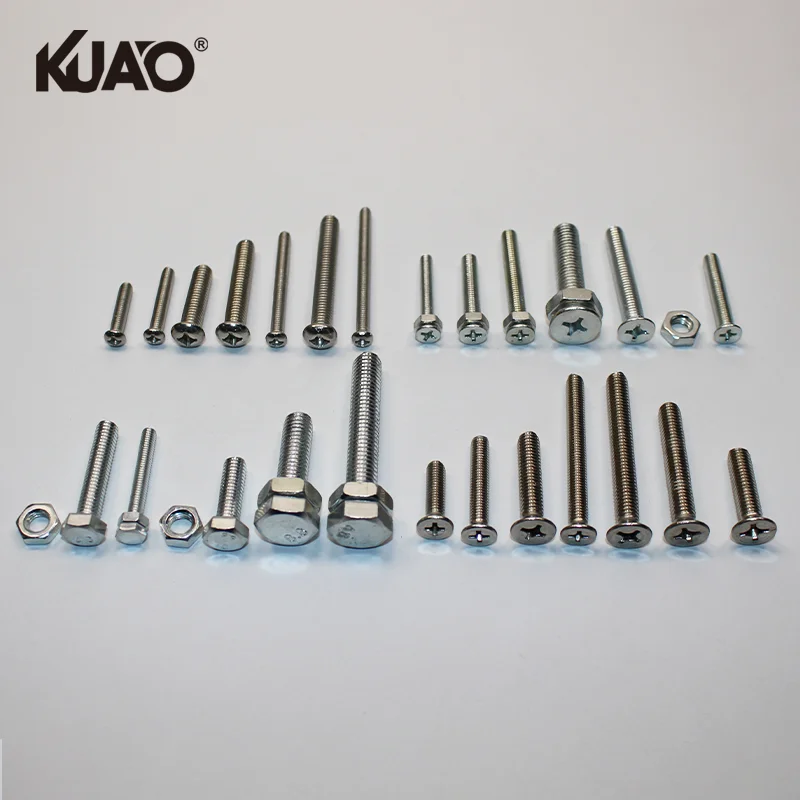
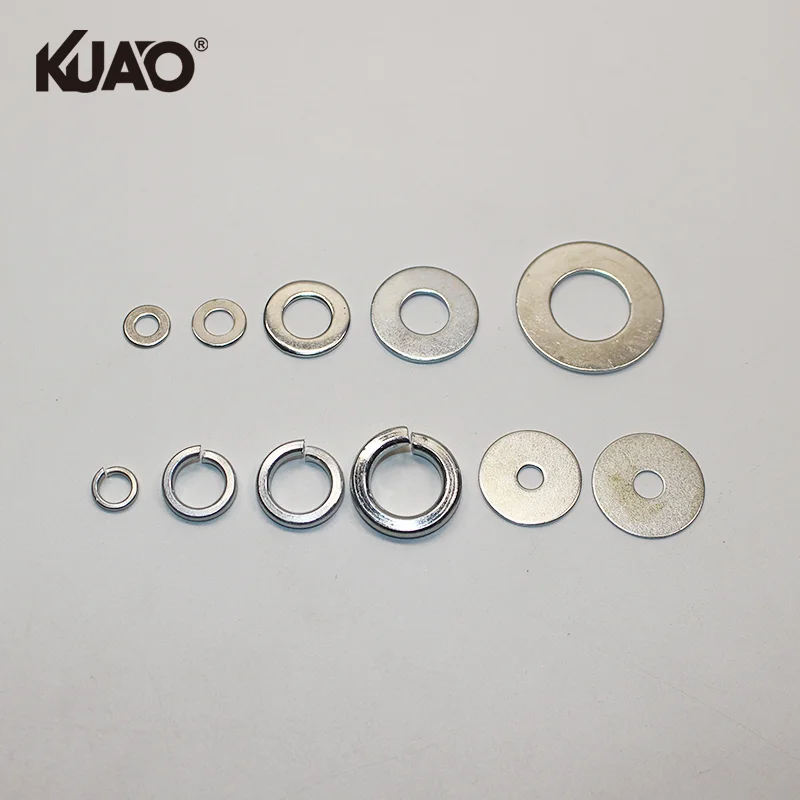
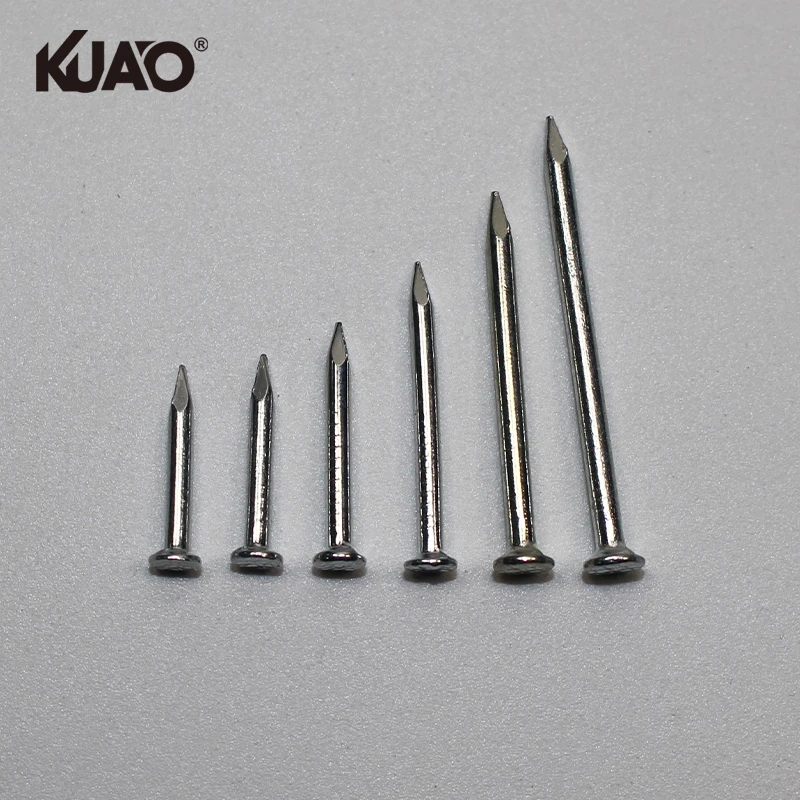
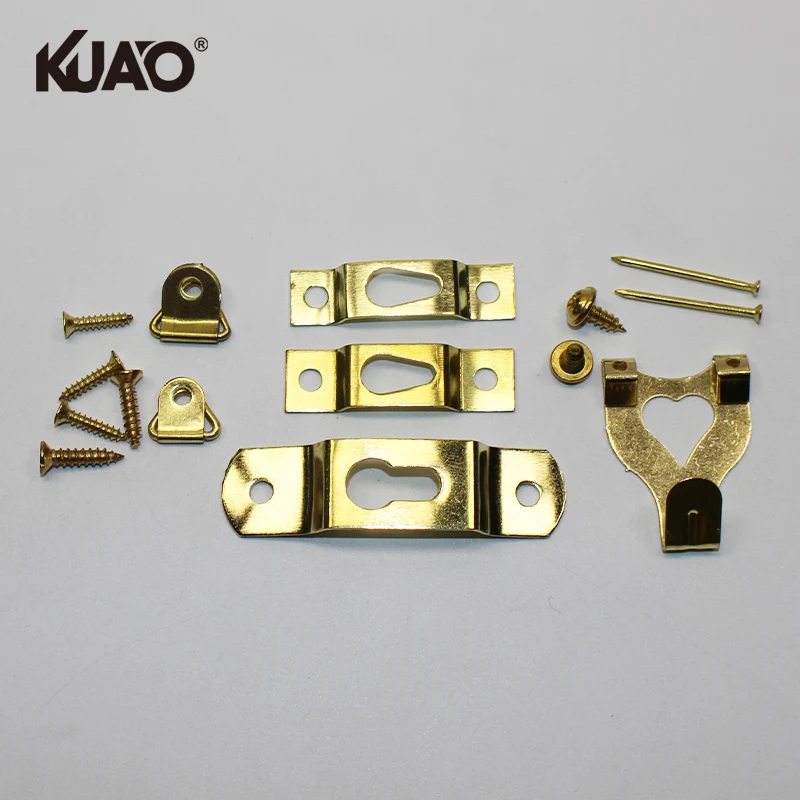
Regular wood screws with their coarse threads and tapered shape work great for joining solid wood pieces together securely. The Euro type is designed specifically for particleboard materials, featuring those special twin-start threads along with flat heads that really hold tight without leaving big marks on surfaces. When it comes to MDF boards, Confirmat screws stand out because they have these deep aggressive threads plus self tapping points at the tip. Tests show these can handle about 30 percent more force before coming loose compared to regular screws when used in composite materials. Different jobs need different screws basically. Standard ones are best for old fashioned wooden furniture construction, the European style works well in those knock down assembly systems, and Confirmat fasteners become essential whenever there's heavy weight or stress involved in engineered panel constructions.
Pocket hole screws come with built-in drill bits and special washers that hold things together without needing any pre-drilling first. This saves a lot of time during cabinet building, sometimes cutting assembly time down by around 40%. When it comes to face frames, those slender screws with their sharp, narrow threads really help prevent wood from splitting when attaching hardwood frames to the main cabinet body. For drawer slides, manufacturers use self-centering screws designed with just the right angle so everything stays aligned even after years of opening and closing drawers. The whole point of these specialized fasteners is to fix problems we see all the time in woodworking. Take pocket holes for instance they actually stand up better to sideways forces compared to traditional mortise and tenon joints. Tests show they can handle about 15% more stress before failing, which makes them pretty impressive when looking at standard performance metrics.
When choosing screw lengths, it's all about finding that sweet spot between how deep they go and keeping the material intact. For those butt joints we're talking about screws that should stick into the receiving material around two thirds of its thickness. Take 18mm plywood for instance, a good bet would be a 30mm screw. With miter joints though, don't let the screws go through completely or else we'll get that nasty blowout effect. Most professionals agree on having at least three complete threads grabbing hold in whatever material is being fastened. And when dealing with really important structural connections, there's this handy 1x diameter rule to remember too. So if working with a 5mm diameter screw, aim for at least 5mm worth of actual thread contact inside the wood. Going too small cuts down on holding power by nearly half sometimes, while going too big just asks for trouble like splits or layers coming apart.
The diameter of a screw plays a big role in determining how much weight it can hold. For basic jobs with softwoods such as building shelves, #8 screws at about 4.2mm work just fine. When dealing with harder woods or those thick engineered panels though, going up to #10 (around 4.8mm) or even better yet #12 (approximately 5.5mm) becomes necessary once the forces involved pass around 150 pounds. Working with materials like MDF requires thicker screws since they spread out the pressure from tightening and stop the edges from crumbling away. Always check these guidelines before starting any project involving wood fasteners.
| Substrate Density | Recommended Gauge | Max Load Capacity |
|---|---|---|
| Low (Pine, Cedar) | #6–#8 | 90–120 lbs |
| Medium (Plywood) | #8–#10 | 130–180 lbs |
| High (Oak, MDF) | #10–#12 | 190–250 lbs |
When working with softwoods and chipboard materials, coarse thread screws with pitches of 2.5mm or less really shine. These screws bite into the porous fibers much better than their fine thread counterparts, giving about 30% more resistance when something tries to pull them out. On the flip side, fine thread screws with pitches around 3.0mm or larger actually work better for hardwoods and plywood. They cause fewer tiny cracks during installation, which means stronger hold in maple wood where they boost pull out strength by roughly 22%. However, these same fine threads don't perform so well in particleboard, where withdrawal strength drops about 15%. For medium density fiberboard (MDF), there's a special option worth considering: dual pitch self tapping screws. These little workhorses deliver nearly twice as good edge holding capability compared to regular coarse thread designs, making them a smart choice for many workshop applications.
The head style of screws really matters when it comes to how things look and how well they hold together. Countersunk heads fit right into the material so nothing sticks out, giving that clean finish everyone wants. Pan heads are good too but sit slightly above the surface, making them suitable for places where looks aren't everything. Washer heads work differently though. They distribute pressure across a larger area which means about 40% less compression on MDF surfaces according to recent tests. For plywood applications, these washers actually increase pull out resistance by around 27%, as noted in last year's Furniture Hardware Report. When picking between different head styles, consider what kind of job needs doing and whether visibility or strength takes priority.
The type of drive used makes a real difference when it comes to how fast things get installed and whether joints stay consistent. Take Torx drives for instance they pass along about 90 percent of whatever torque gets applied which beats out Phillips screws at around 65 percent. And woodworkers report fewer problems with cam out failures during hardwood projects too maybe even cutting those issues down by more than half based on findings from last year's Joinery Tools Research. Then there are Robertson square drives these little guys handle torque pretty well while resisting all that annoying sawdust buildup and sticky adhesives getting stuck in them. Makes sense why so many shops switch to them when working through large batches or dealing with messy conditions where cleanup is always going to be part of the job. When choosing between different drive types definitely keep these factors in mind for better results overall.
Modern optical drive alignment systems now incorporate precision micro-groove patterns to further eliminate slippage—ensuring consistent seating across large batch runs.
Working with solid wood means understanding how the grain behaves. For hardwoods like oak, it's best to use fine thread screws along with pilot holes that are about two thirds to three quarters the size of the screw itself. This helps avoid those frustrating splits that happen right along the grain lines. Pine and other softwoods can handle coarse thread screws better, though they still need pilot holes when making load bearing connections or working with end grain areas. A good rule of thumb is to drive screws at a right angle to the grain direction. Before getting too deep into any project, test these techniques on scrap pieces first. What works great on one type of wood might not be so effective on another.
The problem with MDF and chipboard is they don't have those nice interlocking fibers that real wood does, so they tend to crack from the inside out and the edges just fall apart easily. When working with these materials, self tapping screws really make a difference. The ones with super sharp points and threads all the way down perform much better against pull out forces. Some tests show around 30 percent improvement compared to regular screws when used on particle board. Regular wood screws? Probably best not to use them for this stuff. Their dull ends and uneven threading pattern can actually create invisible damage inside the material that slowly weakens the connection between pieces.
High-quality, application-matched screws are the cornerstone of durable, high-performance furniture joinery—no premium material or precision joinery design can overcome the failure of an incorrectly selected or low-quality fastener. By matching screw type, gauge, thread design, and drive system to your substrate, load requirements, and production workflow, you’ll unlock consistent assembly efficiency, reduced product failure rates, and long-term cost savings for your brand.
For industrial-grade furniture assembly screws, complete hardware fastener kits, or custom OEM/ODM fastener solutions tailored to your furniture manufacturing, retail, or brand needs, partner with a provider rooted in global hardware expertise. Dongyang Kuaou Hardware Co., Ltd. brings 18 years of specialized experience as a one-stop hardware sourcing partner for global supermarkets, leading furniture brands, and distributors worldwide. With an extensive range of wood screws, Confirmat screws, Euro screws, specialty joinery fasteners, and complementary hardware accessories, backed by a robust network of 300+ partner factories and full end-to-end custom support, we deliver reliable quality, competitive pricing, and agile service for every project. Contact us today for a no-obligation consultation and quote to optimize your furniture fastener setup.
 Hot News
2025-12-16
2025-12-11
2025-06-05
2024-11-30

Dongyang Kuaou Hardware Co., Ltd.
Copyright © Dongyang Kuaou Hardware Co., Ltd. - Privacy policy

 EN
EN