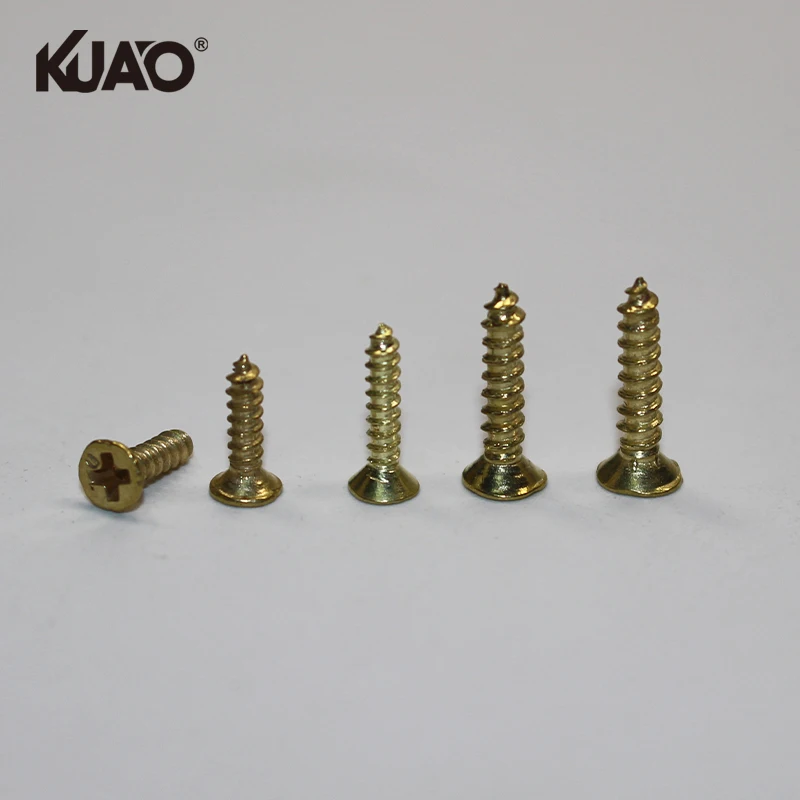
Woodworkers, metal fabricators, and plastic manufacturers all know that screws make solid but removable connections because they bite into material with those threaded shafts. They spread out force pretty well and won't just pop right out when pulled. Bolts work differently though. They need nuts to clamp things together tightly, which makes them great for building structures like backyard decks or playground equipment where both pulling and sideways forces matter a lot. The nuts themselves can be adjusted and reused multiple times. Some special versions, such as those with nylon inserts or weird shaped threads, stay put even when shaken around, so they're really important in bikes and engines. Then there's rivets, which basically weld metals together permanently whenever someone doesn't want something coming apart later. When it comes down to how each holds up under stress, screws handle straight line pressure best, bolts and nuts tackle complicated stress situations, while rivets shine when dealing with side to side forces without bending.
Use this practical framework to match fasteners to project requirements:
A reputable fastener supplier provides technical specifications—including ASTM or ISO load ratings—to validate performance claims and support confident selection.
What kind of material we pick for fasteners really affects how well they hold up over time in different conditions. When talking about boats or anything near the ocean, stainless steel especially type 316 has become the go to option because it fights off saltwater corrosion so much better than regular carbon steel. Field tests actually show these stainless parts last around 10 to 15 years longer in coastal areas. For things like deck installations or railing systems outside, galvanized steel or steel with polymer coatings works pretty well too since they handle moisture and sun damage at a reasonable price point. Inside buildings, brass fasteners look good and resist rust enough for most decorative purposes or places where stress isn't too high. Electronics manufacturers often choose aluminum fasteners instead because they don't interfere with magnetic fields and conduct heat and electricity nicely. This matters a lot when dealing with equipment that needs proper grounding or electromagnetic interference protection.
Galvanic corrosion happens when different metals touch each other while there's some kind of electrolyte around, like rainwater, condensation, or salt from the ocean air. This chemical reaction speeds up how fast materials break down over time. Take for instance what happens when someone uses stainless steel bolts with aluminum brackets in places where moisture is always present. According to research published by NACE International last year, this combination leads to failures about 50 percent quicker compared to regular corrosion processes. To prevent these issues, it's important to think carefully about which metals work together instead of focusing solely on the specifications of each material individually.
Always prioritize compatibility over standalone corrosion ratings—especially when sourcing from a trusted supplier with traceable materials.
Fasteners need special engineering when dealing with dynamic loads. Think about wind making decks sway, vibrations from roads shaking bicycle parts, or engine pulses in car assemblies. These situations call for something better than standard hardware. Lock nuts featuring nylon inserts or those with deformed threads work well because they create friction that keeps bolts from coming loose after repeated impacts. When installing wood decks that expand and contract with seasons, medium strength anaerobic threadlockers offer good protection against back out issues. They bond chemically but still let workers take things apart later using heat or torque tools if needed. Flange head fasteners come with washers already built in, which spreads out the pressure across more surface area. This reduces stress points and stops the fastener from sinking into soft materials such as aluminum suspension components or composite decking boards. Finding the right fix depends on how intense the vibrations are, how long the assembly needs to last, and if adjustments might be required down the road. Talking to someone who knows fasteners inside out makes all the difference. They can suggest combinations that have worked before for similar projects, saving money in the long run by avoiding early failures and keeping structures intact longer.
Selecting a capable fastener supplier is foundational to DIY success—ensuring consistency, safety, and long-term reliability. Prioritize vendors who guarantee material traceability and perform rigorous batch testing, as substandard alloys or inconsistent plating can compromise structural integrity without visible warning. Key vetting criteria include:
Vetting suppliers using these standards transforms sourcing from a transactional step into a collaborative partnership—one that elevates craftsmanship, reduces risk, and supports durable, professional-grade results.
 Hot News
2025-12-16
2025-12-11
2025-06-05
2024-11-30

Dongyang Kuaou Hardware Co., Ltd.
Copyright © Dongyang Kuaou Hardware Co., Ltd. - Privacy policy

 EN
EN