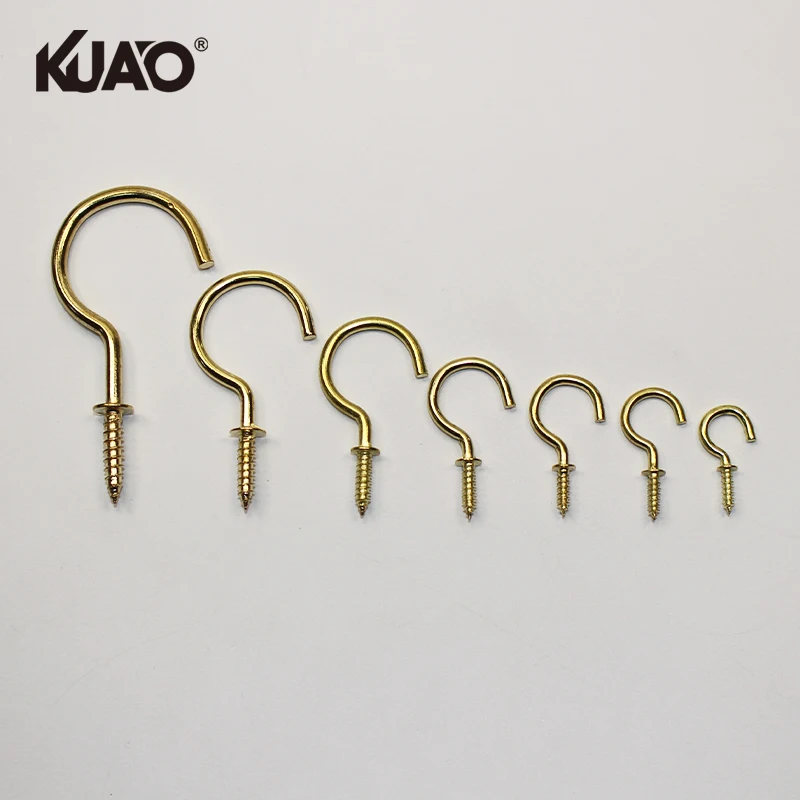
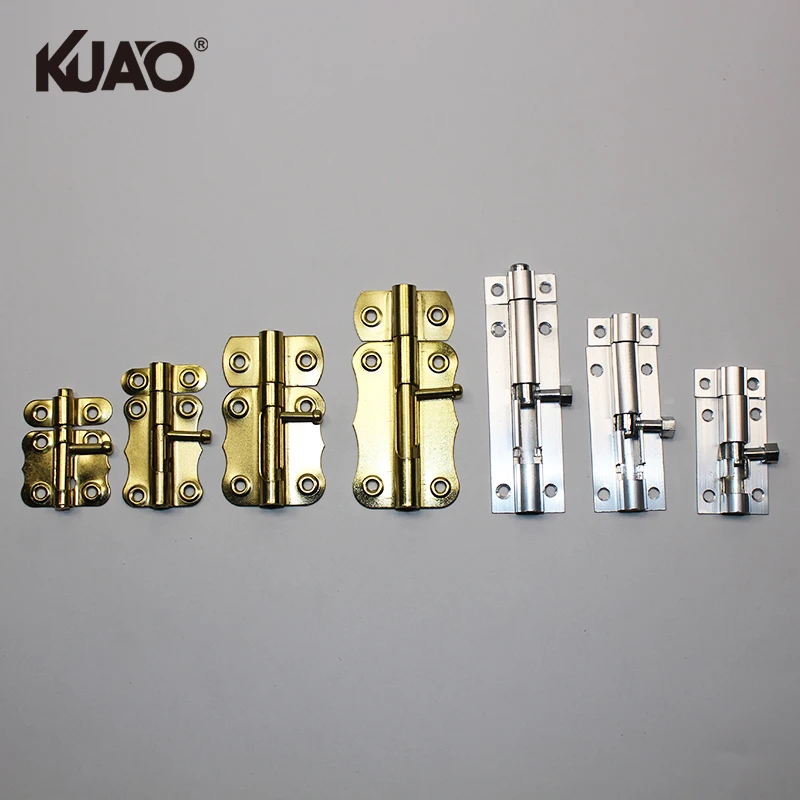
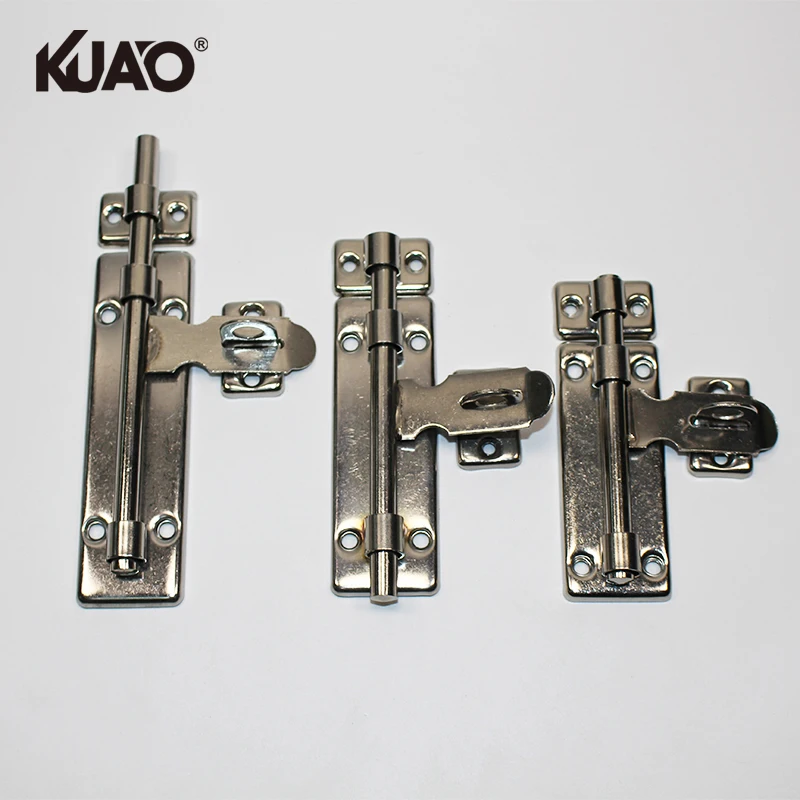
Wall hooks and ceiling hooks serve distinct purposes based on mounting orientation and load mechanics. Wall hooks attach to vertical surfaces—ideal for everyday items like coats, hats, or picture frames at accessible heights—and rely primarily on shear force resistance, where weight pulls downward parallel to the wall. Ceiling hooks mount overhead and excel at suspending plants, lighting fixtures, or storage baskets, bearing tensile forces, where weight pulls vertically away from the ceiling surface. This fundamental distinction shapes their best uses: wall hooks prioritize ergonomic access; ceiling hooks optimize unused overhead space or enable hanging installations. Material compatibility also differs: wall hooks often work with drywall or plaster when paired with appropriate anchors, while ceiling hooks typically require direct attachment to structural joists or beams for safe load-bearing capacity.
The safe weight a hook supports depends on how it transfers load to the building structure—and wall versus ceiling mounting creates fundamentally different force paths. Choosing the wrong hook type or anchor for that path risks failure.
Wall hooks experience shear forces: the load pulls downward along the plane of the wall, requiring anchors that resist sliding or pull-out parallel to the surface. Ceiling hooks face tensile forces: the load pulls straight down, perpendicular to the ceiling, placing outward stress on the fastener’s head and threads. Most common drywall anchors—including plastic expansion types—are engineered for shear, not tension. That’s why ceiling hooks rated for meaningful loads almost always require direct attachment to wood joists or metal studs—not just drywall.
Capacity varies drastically by anchor type and installation method. A standard plastic drywall anchor may hold 15–25 lbs in shear on a wall but only 5–10 lbs in tension on a ceiling. Toggle bolts support 50–100 lbs in shear, yet their tension rating drops to roughly 30–50 lbs—even with proper installation. In contrast, a properly installed screw-in ceiling hook driven 1.5 inches into a solid wood joist routinely supports 200–300 lbs. Always consult the manufacturer’s published pull-out (tension) rating—not just static weight claims—to ensure safety, especially for ceiling applications.
Wall surfaces introduce practical constraints that affect hook performance. Glossy or semi-gloss paint layers can compromise adhesive hook grip—and may even peel under load. Textured finishes like popcorn ceilings or stucco prevent flush contact, reducing holding power for both adhesive and screw-in types. High-humidity areas such as bathrooms soften drywall over time and accelerate adhesive bond degradation, while moisture also promotes rust on exposed metal hardware. For reliable results, match anchor type to substrate (e.g., toggle bolts for heavy loads in drywall), and always prepare surfaces thoroughly: clean, dry, and lightly abrade glossy paints if using adhesives.
Ceiling installation adds layers of complexity rarely encountered with walls. Safe access often demands a stable ladder or lift—especially in high-ceilinged rooms—while overhead work strains posture and limits precision. Dim lighting increases the risk of drilling into concealed electrical wiring or plumbing lines. Physical clearance issues—such as ceiling fans, recessed lights, HVAC ducts, or low ceiling height—further restrict viable mounting locations. Critically, locating structural backing (joists or beams) is non-negotiable for most ceiling hooks carrying more than minimal weight, yet doing so without a reliable stud finder can be slow and error-prone. These factors make ceiling-mounted hooks inherently more involved, time-intensive, and safety-sensitive than wall-mounted alternatives.
Selecting the right hook requires a deliberate evaluation—not just of aesthetics or convenience, but of physics, environment, and execution. Begin with load dynamics: Is the item’s weight applied as tension (ceiling) or shear (wall)? This determines structural feasibility before anything else. Next, assess spatial context: Wall hooks suit vertical zones where hanging items won’t obstruct movement; ceiling hooks unlock overhead volume, especially valuable in compact or multi-use spaces. Finally, verify surface readiness: Wall substrates vary widely (drywall, plaster, masonry), each demanding compatible anchors and preparation; ceilings almost always require locating and anchoring into structural framing for anything beyond lightweight décor. By systematically weighing load direction, spatial opportunity, and mounting surface integrity, you ensure your choice delivers both functional performance and long-term safety.
Wall hooks are designed to be mounted on vertical surfaces and primarily handle shear forces, while ceiling hooks are mounted overhead and handle tensile forces. Wall hooks are ideal for items like coats or picture frames, while ceiling hooks are better suited for hanging plants or lighting fixtures.
Ceiling hooks bear tensile forces, which put significant stress on fasteners. Attaching them to structural joists or beams ensures they can handle heavier weights without risk of failure.
Weight capacity depends on mounting surface and anchor type. For example, standard drywall anchors can support 15–25 lbs in shear (wall) but only 5–10 lbs in tension (ceiling). Ceiling hooks mounted into wood joists can support 200–300 lbs.
Ceiling installation often requires stable ladders, awareness of structural backing (joists), and caution to avoid plumbing or electrical lines. Clearance issues like ceiling fans and low height can also complicate the process.
Textured surfaces like stucco and humid environments can compromise a hook's holding power. Choosing the right anchor type and adequately preparing the surface, such as abrasion or cleaning, is essential for reliable results.
 Hot News
2025-12-16
2025-12-11
2025-06-05
2024-11-30
Dongyang Kuaou Hardware Co., Ltd.
Copyright © Dongyang Kuaou Hardware Co., Ltd. - Privacy policy
 EN
EN