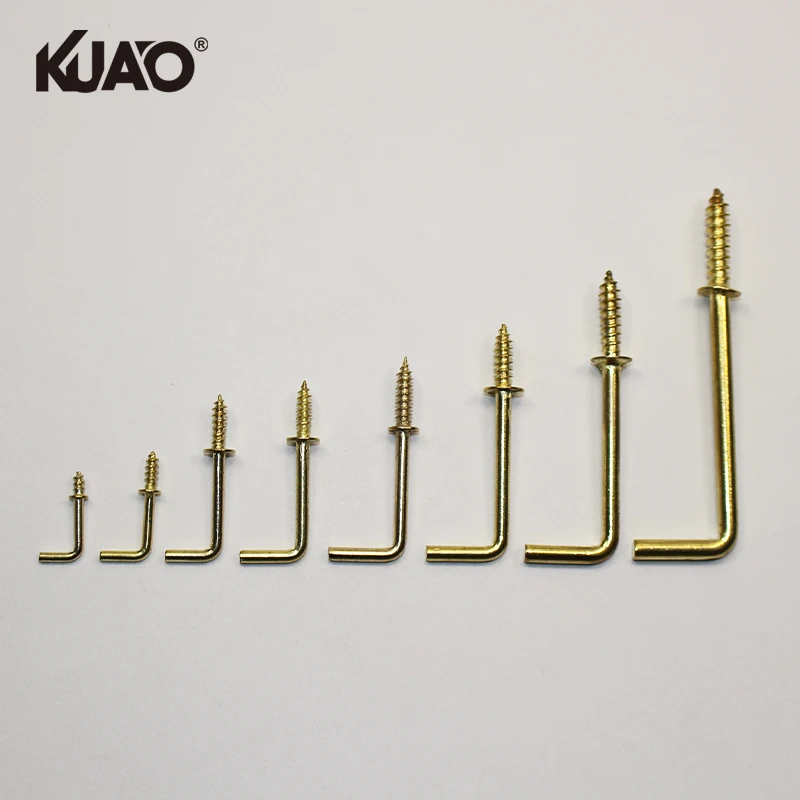
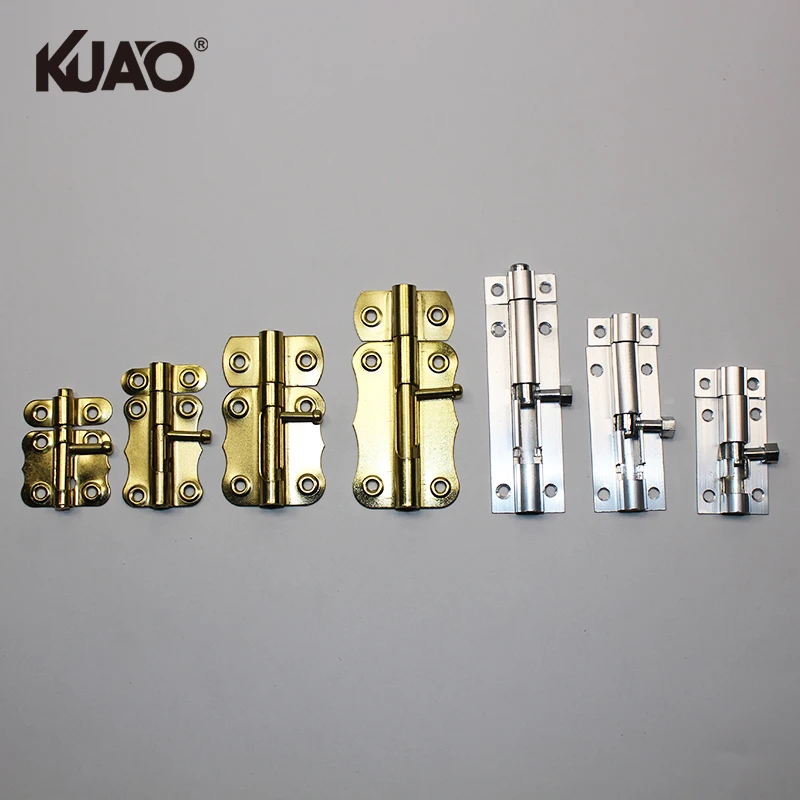
Adhesive hooks and screw-in metal hooks differ fundamentally in fixing method, bearing principle and applicable scenarios. Adhesive hooks stick flat onto wall surfaces and rely on bonding adhesion to withstand downward shear pull, perfect for hanging lightweight daily supplies including small towels, keychains and decorative cards within easy reach. Screw-in metal hooks fasten into wall base material via screws, transferring load pressure directly to wall substrate and resisting both shear and vertical pulling force, suited for heavy items such as backpacks, kitchen utensils and large framed artwork.
Core application logic separates the two styles: adhesive hooks feature damage-free installation for renters and temporary use, while screwed hooks deliver long-term stable load capacity for permanent storage layouts. Substrate adaptability also varies greatly: adhesive variants work well on smooth tile, glass and polished paint walls yet fail badly on rough stucco or damp plaster; threaded screw hooks can be secured into drywall with expansion plugs or drilled straight into solid brick, wood for maximum loading performance.
Load Bearing & Structural Safety: Load Transfer Rules of Two Hook Types
A hook’s safe load limit is decided by how force passes into wall structure, and fixing mode directly changes stress bearing mode, mismatched selection leads to falling risk.
Adhesive hooks mainly endure shear force from vertically hanging goods, all load borne by surface glue layer without deep wall anchoring. Screw-in hooks disperse weight across embedded screw threads inside wall base, capable of coping with combined tension and shear stress. Regular heavy-duty adhesive hooks only hold 3–8 lbs safely, while same-size metal screw hooks with matching wall anchors can support 40–120 lbs depending on base material. Smooth-surface adhesive bonding loses strength under high temperature or moisture, whereas metal screw fasteners stay stable amid humidity and seasonal temperature shifts.
Practical Installation Notes: Surface & Environment Limitations
Adhesive Hook Restrictions: Surface Texture, Temperature and Damp Impacts
Surface condition heavily impacts adhesive holding effect. Flaky paint, uneven textured wall and porous cement wall prevent full glue contact and drastically reduce sticking strength. Bathrooms, laundries and kitchens with constant high humidity erode adhesive viscosity over weeks, causing gradual peeling. Extreme summer indoor heat also softens common foam adhesive. For optimal sticking, wipe mounting spot fully clean, dry and dust-free before pasting; avoid adhesive installation on aging, peeling wall coatings entirely.
Screw Hook Mounting Barriers: Drilling Obstacles and Hidden Pipeline Risk
Installing screw hooks requires hand tools like drills and screwdrivers. Hidden buried electric wires, water pipes inside walls raise drilling damage hazards, needing careful position confirmation ahead of construction. Hard masonry and concrete walls demand special concrete drill bits and expansion tubes for fixation, adding installation difficulty and time cost. Unlike no-damage adhesive options, screw mounting leaves tiny bore holes after removal, not ideal for non-renovation rental housing.
Scientific Selection Guide for Hooks
Final hook choice needs comprehensive consideration of load weight, wall material, usage duration and housing property. First confirm hanging weight: below 8 lbs and short-term temporary hanging prefer adhesive hooks; heavy loads over 10 lbs or permanent fixed storage choose screw-in metal hooks. Next check wall finish: smooth non-porous glass/tile fits adhesive; rough brick, drywall and cement walls prioritize screw fixed styles. Last confirm usage scene: rental tenants unwilling to damage walls go for damage-free adhesive; self-owned houses with fixed storage layout adopt durable screw hooks. Matching hook style with actual conditions guarantees safety and practicality.
FAQ
1. What’s the core gap between adhesive hooks and screw-in metal hooks?
Adhesive hooks use glue adhesion for light shear load with no drilling, screw hooks rely on embedded screws for heavy mixed tension & shear load with drilling required.
2. Why adhesive hooks cannot hang heavy objects?
Their bearing relies only on surface adhesive instead of deep wall fixation, glue fails easily under overweight pulling force.
3. Which wall surfaces are unsuitable for adhesive hooks?
Rough stucco, loose peeling paint wall and long-term damp bathroom plaster walls are not recommended for adhesive mounting.
 Hot News
2025-12-16
2025-12-11
2025-06-05
2024-11-30
Dongyang Kuaou Hardware Co., Ltd.
Copyright © Dongyang Kuaou Hardware Co., Ltd. - Privacy policy
 EN
EN