Surface characteristics directly determine how securely your house numbers stay mounted over time. Porosity affects adhesion strength—highly porous materials like brick absorb adhesives, reducing bond integrity by up to 40% compared to non-porous surfaces like vinyl or sealed metal. Texture dictates grip: smooth finishes require specialized adhesives or mechanical anchors, while rough surfaces like stucco provide natural friction but trap moisture that degrades mounts over time. Stability is equally critical—wood expands and contracts seasonally, creating stress fractures in rigid mounts. Building material durability studies indicate surfaces with over 5% annual dimensional fluctuation demand flexible fasteners or engineered mounting systems. Ignoring these factors accounts for the majority of premature house number failures within two years.
Select optimal mounting methods using this surface-specific reference:
| Surface | Key Challenge | Recommended Solution |
|---|---|---|
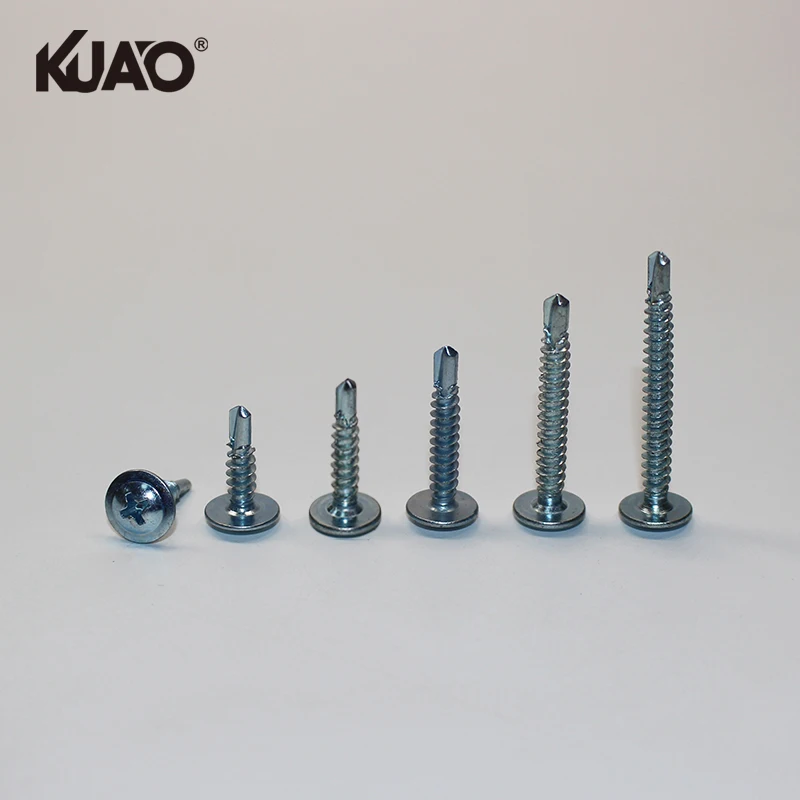
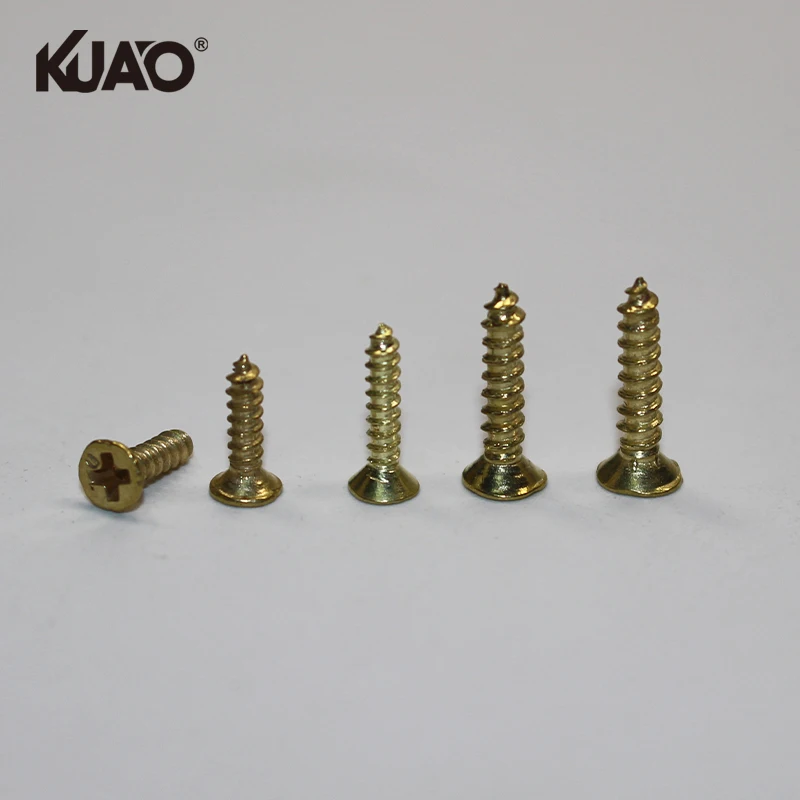
| Wood | Warping and moisture damage | Stainless steel screws with clear silicone sealant |
| Vinyl | Thermal contraction | Adhesive-backed mounts or stainless-steel screws with spacers |
| Brick | Crumbling during drilling | Masonry sleeve anchors with silicone seal |
| Stucco | Surface fragility | Corrosion-resistant toggle bolts |
| Drywall | Low weight tolerance | Toggle bolts with weight-distribution plates |
| Masonry | Extreme hardness | Carbide-tip drill + lead or sleeve anchors |
For wood and vinyl, avoid adhesives in high-humidity regions unless the surface is fully sealed. Brick and stucco installations should always target mortar joints—not the substrate itself—to prevent cracking. Drywall requires load distribution for heavy metal numbers, and masonry demands impact-rated fasteners to withstand vibration and thermal cycling. Always match fastener material to surface chemistry—galvanized steel corrodes in alkaline concrete within 18 months, per ASTM C260 standards.
Heavy-duty adhesives like VHB (Very High Bond) tape offer reliable, drill-free installation on smooth, non-porous surfaces—including vinyl siding, aluminum, stainless steel, and properly sealed wood. Industrial-grade tapes can support loads up to 15 psi when applied at room temperature (70–100°F) to clean, dry, and dust-free surfaces. However, they fail on textured or porous substrates like brick, stucco, or unfinished wood due to insufficient surface contact. Outdoor applications face additional risk: temperature extremes above 120°F or below 40°F degrade bond strength by up to 60% within 12 months, according to UL 969 testing protocols. In high-traffic zones or climates with wide thermal swings, mechanical fastening remains the only code-compliant, long-term solution.
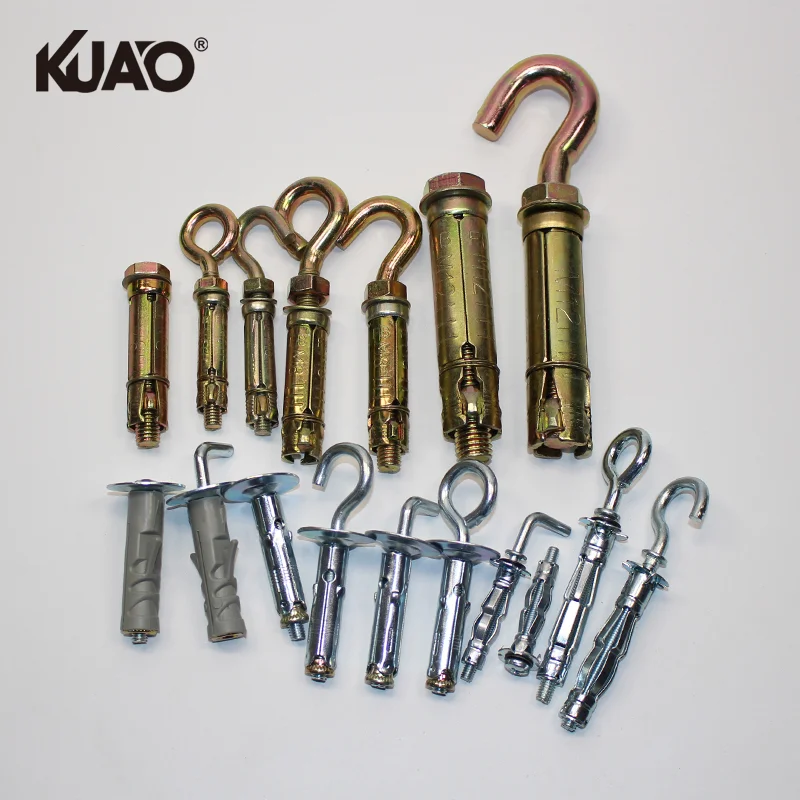
Mechanical mounting guarantees permanence—but only when hardware matches wall composition and load requirements. Choose based on substrate and expected environmental stress:
| Anchor Type | Best For | Max Load Capacity | Critical Limitation |
|---|---|---|---|
| Lag Bolts | Solid wood, masonry | 200–400 lbs | Splits softwoods if over-tightened |
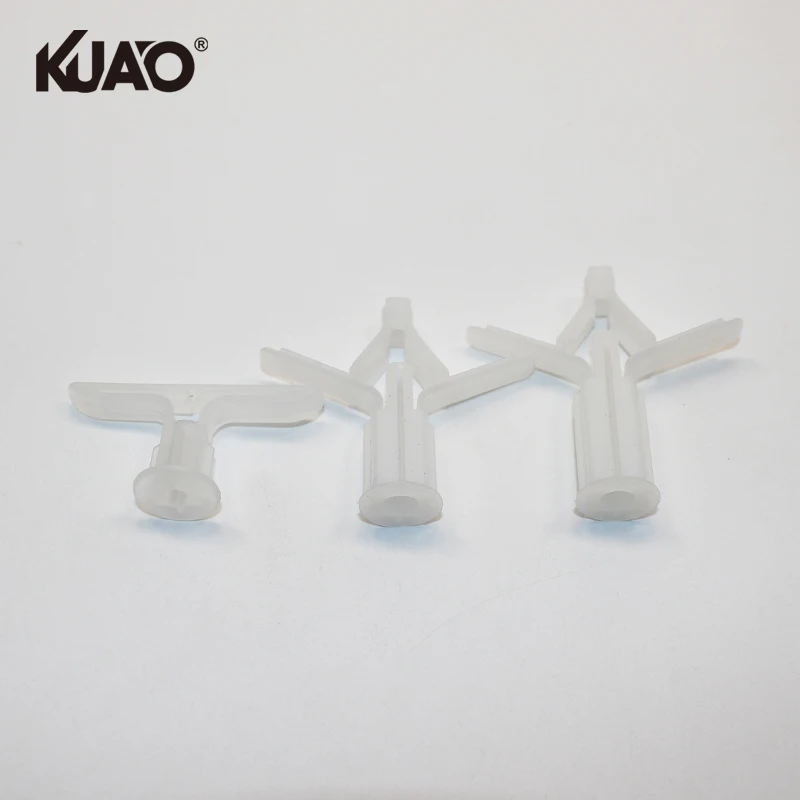
| Toggle Bolts | Hollow drywall | 50–100 lbs | Require large drill holes (up to ½") |
| Molly Anchors | Plaster, thin drywall | 20–50 lbs | Collapse under sustained vibration |
Brick and masonry demand carbide-tipped drills to create pilot holes; vinyl siding requires stainless-steel spacers to prevent warping from overtightening. As noted in the 2024 Hardware Performance Report from the International Association of Certified Home Inspectors (InterNACHI), improper anchor selection causes nearly 80% of premature mounting failures. Always verify your wall’s structural capacity—and consult local building codes—before finalizing hardware choices.
Mark positions with painter’s tape to avoid scratches, then pre-drill pilot holes 1/8" wider than your screws to accommodate seasonal expansion. Apply a bead of clear silicone sealant around each hole before inserting stainless steel screws—this creates a watertight barrier against moisture intrusion. Never overtighten: vinyl can buckle, and wood may split. For drainage, angle screws slightly downward. Use plastic or rubber spacers behind metal numbers to minimize direct contact and reduce condensation buildup.
Start with a carbide-tipped masonry bit to drill pilot holes 1/4" deeper than your anchors. Vacuum dust from holes thoroughly—residual debris compromises anchor grip. For brick and solid masonry, use sleeve anchors rated for exterior use; for stucco, install corrosion-resistant toggle bolts centered in the substrate’s thickest layer—not the finish coat alone. In hollow masonry, molly anchors provide superior holding power. Seal all penetrations with exterior-grade silicone caulk to block water migration into underlying cavities. Finally, test stability by applying gentle lateral pressure: properly installed numbers should resist 15 lbs of force without movement or flex.
Reliable, surface-specific mounting hardware is the cornerstone of long-lasting house number installations—no premium house number design can overcome the failure of poorly manufactured, incorrectly matched fasteners. By pairing your house number product lines with application-engineered mounting kits tailored to every surface type and regional market need, you’ll unlock consistent customer satisfaction, reduced warranty claims, and scalable revenue growth for your business.
For industrial-grade house number mounting hardware tailored to your retail, OEM, or construction application, or to pair custom house number installation kits with a full suite of complementary home improvement hardware accessories (as offered by Dongyang Kuaou Hardware Co., Ltd.), partner with a provider rooted in global hardware expertise. Kuaou Hardware’s 18 years of experience spans end-to-end OEM/ODM manufacturing, retail-ready packaging solutions, and one-stop sourcing for global supermarkets and leading home decor brands, backed by a robust network of 300+ partner factories—contact us today for a no-obligation consultation and complimentary sample support to optimize your house number hardware offering.
For vinyl siding, adhesive-backed mounts or stainless-steel screws with spacers are recommended to manage thermal contraction.
Heavy-duty adhesives are effective on smooth, non-porous surfaces but are not recommended for textured or porous surfaces such as brick and stucco.
Targeting mortar joints instead of the substrate prevents cracking and maintains the integrity of the installation on brick and stucco surfaces.
 Hot News
2025-12-16
2025-12-11
2025-06-05
2024-11-30

Dongyang Kuaou Hardware Co., Ltd.
Copyright © Dongyang Kuaou Hardware Co., Ltd. - Privacy policy

 EN
EN