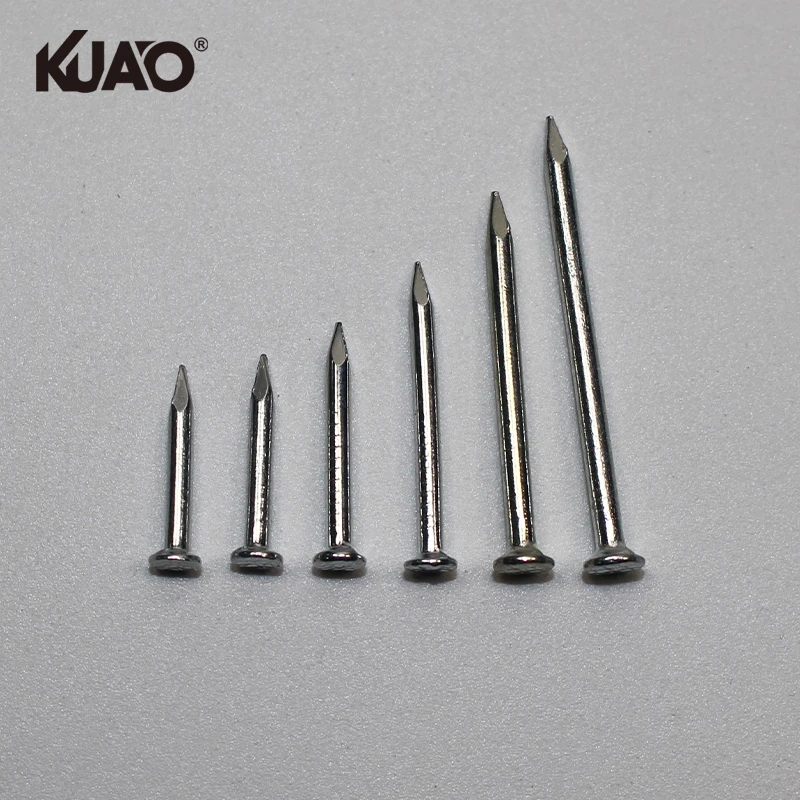
When it comes to dealing with sideways forces, nails actually beat screws hands down in situations like building wooden frames or constructing walls that need to resist wind. The reason? Nails have this built-in flexibility that lets them bend when subjected to shear stress those forces that make wood layers want to slide past each other instead of just snapping off completely. What happens is pretty interesting really the nail deforms slightly but stays intact, which keeps the connection between pieces strong even when things get shaken around. Think about earthquakes or constant wind pushing against structures all day long. According to research published last year by a major player in the fastener business, tests showed that nailed joints can handle about 18 percent more force before failing compared to screw connections under similar conditions. That makes sense why contractors stick with nails for critical parts of buildings where some give is needed but overall strength must remain intact over time.
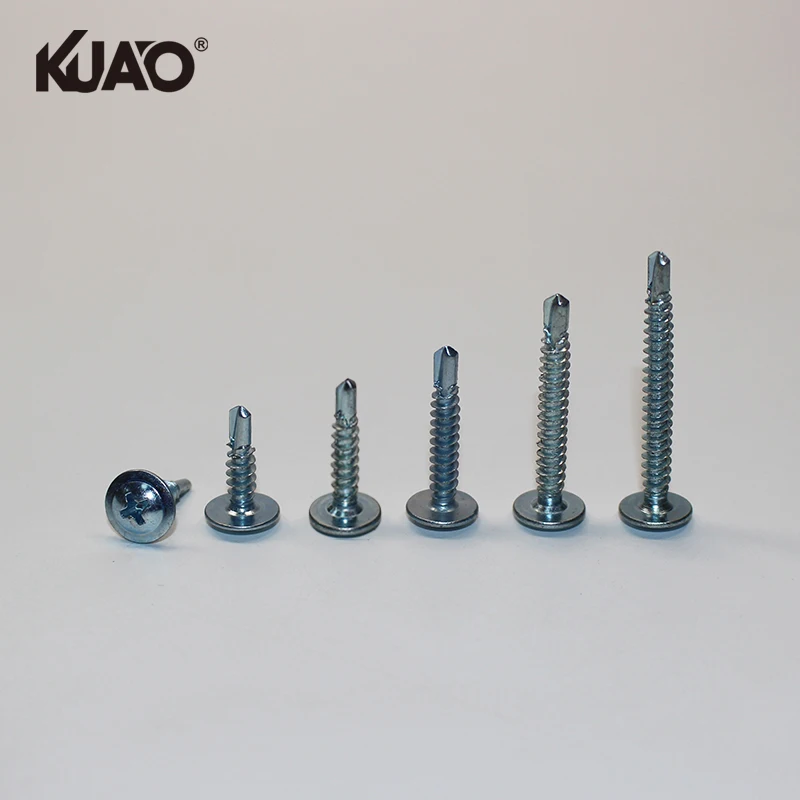
The threads on screws give them much better strength against pulling out and stretching forces compared to other fasteners. When installed properly, these threads bite into the wood all along their length, creating a kind of grip that holds things together firmly. This matters a lot in situations where parts might come loose over time from things like strong winds lifting up deck boards or cabinet hinges constantly moving under load. According to some tests done last year by the Fastener Materials Council, screws can resist being pulled out about 2.5 times more effectively than regular nails of the same size when working with common softwoods. Plus, because they're driven in so precisely, screws create less pressure around the hole as they go in. That means there's a lower chance of splitting expensive hardwoods such as oak or maple boards, particularly when drilling close to the edge or right at the ends where wood tends to be weaker anyway.
When it comes down to getting things done quickly while still maintaining good hold, nails really shine. They work great in situations where the wood needs to move a bit naturally without breaking apart at the joints, which is why they're so common in building frames and walls that need to withstand strong winds. For stuff like baseboards around rooms, those thin shanks and flat heads help prevent splits in the wood and leave surfaces ready for painting right away. When there's no time to waste fixing something after a storm knocks loose parts of a fence or deck, pneumatic nail guns just make sense. These tools can hammer in fasteners way quicker than trying to drill screws, sometimes three times as fast according to some estimates. The result? Faster fixes that still hold up under pressure without falling apart later on.
When it comes to applications needing lasting hold, the ability to make adjustments, or when things might need taken apart later on, screws just make more sense. Outdoors especially, those special screws made from stuff like stainless steel or coated with ceramics last way longer against pulling out forces compared to regular nails when there's lots of moisture around. We're talking about almost 70% better performance here! That matters a lot for things like decks, pergolas, and all sorts of garden structures that get wet often. When putting together furniture pieces, screws let people line everything up just right before giving them that final tighten down. Plus they can be completely undone if someone needs to move something or fix it later. Nails just don't offer this kind of flexibility. And for building systems that change configuration over time such as adjustable shelves or tools that get reused again and again, screws actually protect the materials themselves through all these changes. Regular nailing back and forth would eventually wear down whatever surface we're working with.
When choosing fasteners, always consider their size and material based on what kind of load they'll carry and where they'll be used. For situations where shear forces matter most in framing work, go with nails that are about 2.5 to 3 times thicker than the thinnest piece involved. That means using 3 inch nails when working with 1 inch framing lumber typically. If we're talking about areas prone to moisture like decks or outdoor furniture, hot dip galvanized nails stand up to rust about five times better than regular steel according to tests under ASTM B695 standards. When dealing with tension loads as found in cabinetry or deck construction, reach for either #8 or #10 screws. Make sure these screws go at least one inch into whatever supports them. Material choice matters too depending on location conditions. Stainless steel works great near coastlines or places with lots of salt air. Brass is often preferred for indoor hardware that needs to look good. And don't forget special coatings for pressure treated wood compatibility when needed.
When working with hardwoods such as oak, maple, or cherry, pre-drilling isn't just recommended it's absolutely necessary. The same goes for areas close to board ends or edges where wood tends to split easily. For best results, create pilot holes that measure around three quarters to nine tenths the size of whatever fastener will go into them. With softer woods like pine or cedar, small screws usually get away without pre-drilling, though there are exceptions. If using screws bigger than number eight gauge or nails thicker than sixteen gauge in these softer materials, don't skip the drill bit step. A good rule of thumb many woodworkers follow is what some call the two times rule. Basically, the fastener needs to be at least twice as long as whatever material sits on top. So when joining two pieces each measuring three quarters of an inch thick, reach for one and a half inch screws. This approach gives enough grip strength against pulling forces and helps prevent those frustrating splits that happen so often when driving screws directly into end grain, especially in projects like cabinets or decorative moldings where appearance matters most.
Fasteners are the cornerstone of every successful DIY, woodworking, and construction project—no amount of craftsmanship or high-quality lumber can overcome the failure of a poorly made or incorrectly matched fastener. By pairing your project with precision-engineered nails, screws, and complementary hardware tailored to your application and material, you’ll unlock consistent, long-lasting joint integrity, reduced installation errors, and cost-effective results that stand the test of time.
For industrial-grade fastener solutions tailored to your retail, brand, or distribution needs, or to source complete one-stop kits of nails, screws, and DIY hardware accessories, partner with a provider rooted in global hardware expertise. Dongyang Kuaou Hardware Co., Ltd. brings 18 years of specialized experience as a trusted one-stop hardware sourcing partner for supermarkets, leading brands, and distributors worldwide. With an extensive range of nails, screws, assorted fastener kits, and universal home improvement DIY hardware accessories, backed by a robust network of 300+ partner factories and full end-to-end OEM/ODM support, we deliver strict quality control, competitive pricing, and agile service for every project. Contact us today for a no-obligation consultation to refine your fastener and hardware offering.
 Hot News
2025-12-16
2025-12-11
2025-06-05
2024-11-30

Dongyang Kuaou Hardware Co., Ltd.
Copyright © Dongyang Kuaou Hardware Co., Ltd. - Privacy policy

 EN
EN