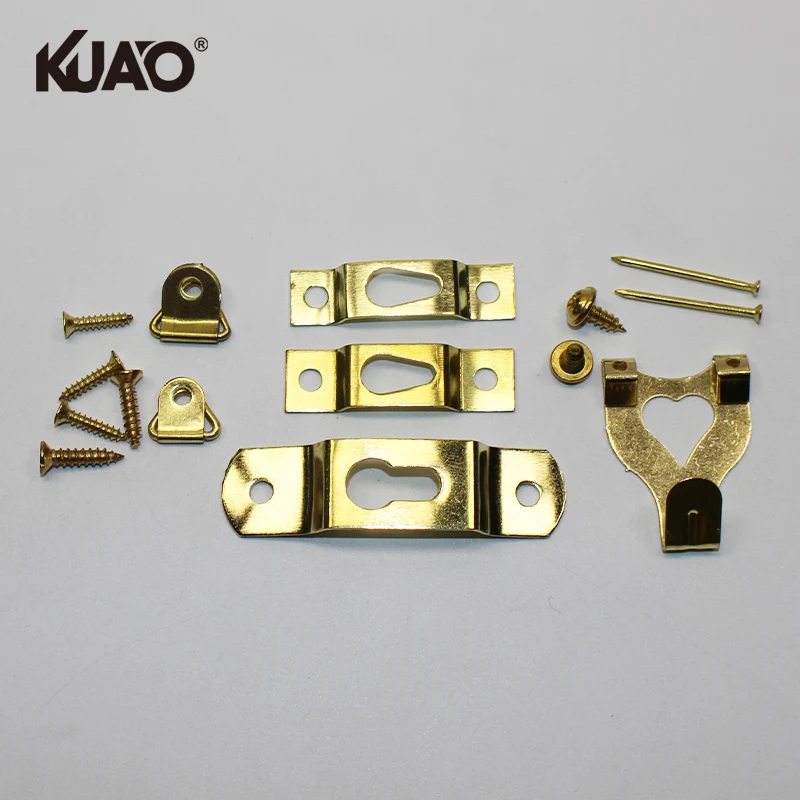
Manual bracket management inflates labor costs through inefficient sorting and verification. Technicians routinely spend hours daily cross-referencing bracket numbers against treatment records—a burden equivalent to one full-time staff member per month, according to industry audits. This redundancy delays treatment starts and burdens clinical teams with avoidable administrative work. Worse, reconciliation errors trigger costly downstream sorting loops: each misidentified component requires tracing by multiple personnel, compounding payroll impacts and eroding clinical efficiency.
Without digital tracking, bracket inventory visibility collapses—leading directly to waste. Practices routinely hold 28% excess bracket volumes as buffer stock against perceived shortages, locking capital in dormant inventory instead of clinical innovation. Untracked expiration dates worsen the loss: organizations forfeit approximately $740k annually due to discarded expired brackets and emergency replacements, per the Ponemon Institute (2023). These preventable losses manifest as recurring procurement premiums—financial leakage invisible in standard expenditure reports.
Transitioning from manual to automated bracket workflows delivers direct, quantifiable improvements in clinical productivity and supply chain integrity. AI-driven matching and real-time digital inventory records eliminate error-prone human sorting, reclaim staff time, reduce waste, and ensure bracket availability precisely when needed—lowering per-case costs and stabilizing operational budgets.
AI-powered bracket matching analyzes digital patient scans to instantly recommend the optimal bracket type, torque, and prescription for each tooth—replacing manual chart cross-referencing and visual slot verification. Clinics adopting this automation report 40–60% faster setup times, with ready-to-use kits generated on demand. Crucially, first-time accuracy eliminates rebonding appointments caused by mismatched brackets, preserving chair time and accelerating treatment progress. Even modest practices performing 10–15 setups daily can recover hundreds of staff hours annually—time better spent on patient care or process refinement.
Digital bracket logs track every bracket entering and leaving the practice—recording lot numbers, expiration dates, and usage patterns automatically. When a clinician dispenses a bracket, the system updates inventory in real time and triggers reorders if stock falls below preset thresholds—no manual counting or shelf checks required. This prevents duplicate orders, missed restocks of high-use prescriptions, and accidental purchases of expired stock. Stockouts—and the associated treatment delays and overnight shipping premiums—drop to near zero. One mid-sized clinic achieved a 28% reduction in bracket-related procurement costs within six months; case delays caused by missing brackets fell from 8% to under 1%. Usage analytics also empower smarter bulk purchasing—helping practices negotiate favorable terms based on verified volume data.
Standardizing bracket management protocols drives measurable savings—not just in procurement, but across training, vendor management, and inventory control.
Consolidating all bracket options into a single, vetted catalog eliminates the need to juggle multiple vendor lists. Procurement teams save time on price comparisons, part verification, and purchase order creation—cutting administrative overhead by 28%, as validated across orthodontic practices implementing this approach. Onboarding becomes faster and more consistent: new staff learn one streamlined ordering workflow, reducing errors and accelerating proficiency. Inventory tracking simplifies dramatically, lowering stockout risk and minimizing waste from incorrect or expired stock. Standardization also strengthens vendor negotiations—consolidated volume and simplified logistics give practices leverage to secure better pricing and service terms. The result is a cohesive, scalable bracket management system that supports both financial discipline and clinical reliability.
Manual bracket management increases labor costs due to inefficient sorting and verification processes that require extensive staff time. Errors in reconciliation also contribute to payroll impacts.
Untracked inventory can lead to waste, including expired brackets, buffer stock, and emergency replacements. Clinics can lose approximately $740k annually from such inefficiencies.
Automation replaces manual tasks with AI-driven solutions that streamline bracket matching, inventory updates, and reorder processes, reducing setup times and minimizing waste associated with errors.
Digital bracket logs are automated systems that record usage, expiration dates, and inventory levels in real time, eliminating manual counting and ensuring accurate and timely reorders.
Standardized protocols reduce procurement and training costs, simplify vendor management, and streamline inventory tracking for better operational efficiency.
 Hot News
2025-12-16
2025-12-11
2025-06-05
2024-11-30

Dongyang Kuaou Hardware Co., Ltd.
Copyright © Dongyang Kuaou Hardware Co., Ltd. - Privacy policy

 EN
EN