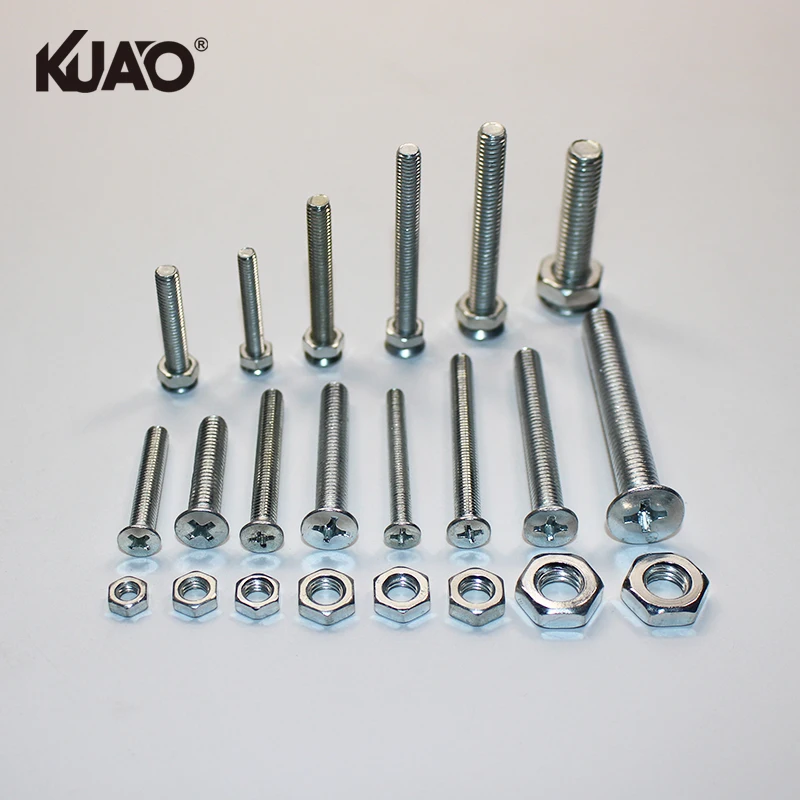
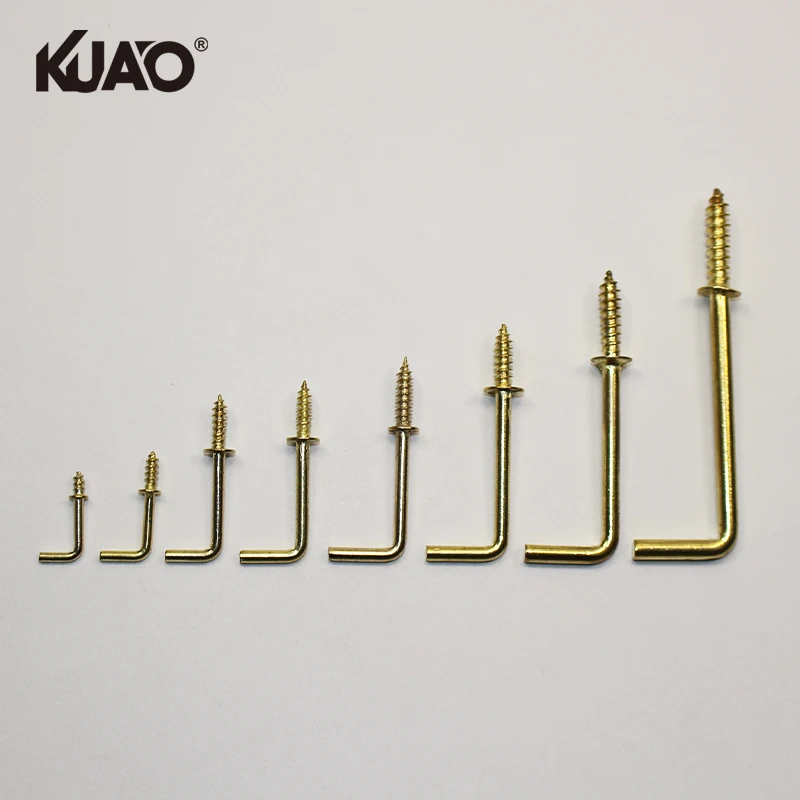
Wood screws have those coarse threads and pointy ends that really grab into wood effectively. The partial thread design works great too since about two thirds of the shaft doesn't have threads at all. This actually puts most of the holding power right near where the screw head sits, making them about 25% better at staying put than fully threaded ones according to some research from APA in 2023. Always drill pilot holes before driving these babies in to keep the wood from cracking. Get the hole size right though it needs to be the same as the core of the screw not the outside threads. When building something serious like a deck frame, go for #9 or #10 screws that can handle over 400 pounds of sideways force. Longer screws do hold more weight generally speaking but remember to adjust how deep those pilot holes go so the screw doesn't hit the bottom of the hole or lose grip on the wood.
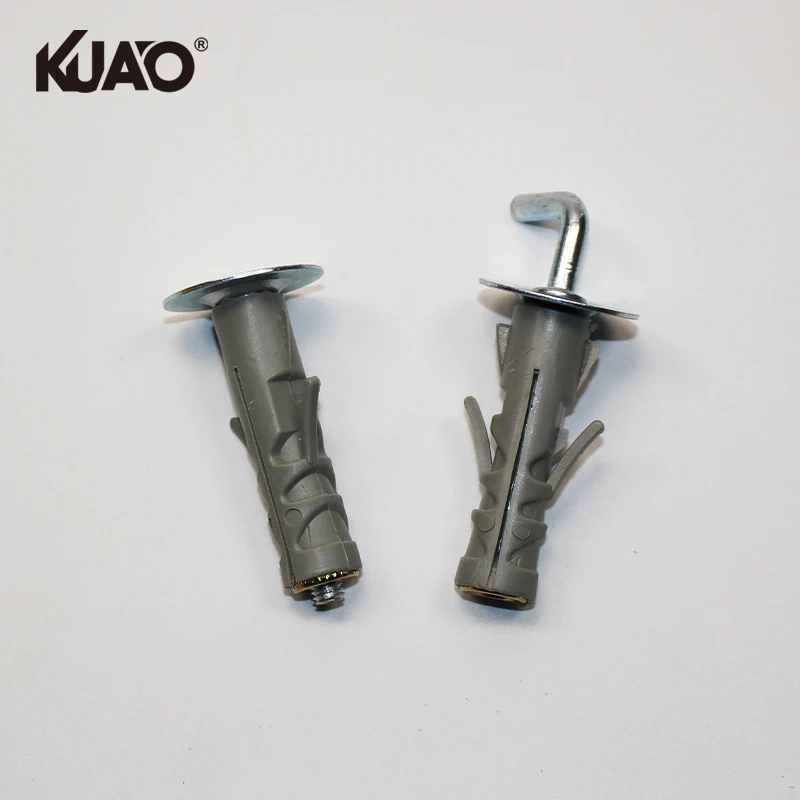
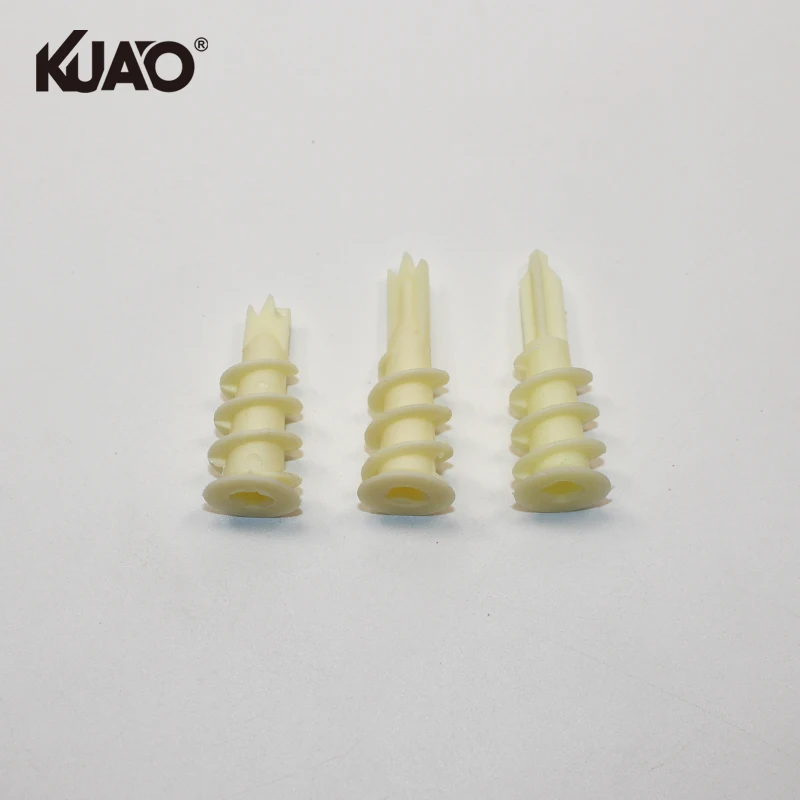
Tapcon style concrete screws are made from hardened steel with those really aggressive helical threads that bite right into solid masonry. They can hold around 1,100 pounds of force in 2000 psi concrete without needing any anchor sleeves at all. Sleeve anchors work differently though. These guys expand mechanically inside holes that have already been drilled. That makes them work better when dealing with hollow blocks or bricks since the material isn't consistent enough for other types of fasteners. When putting these in place, always check what kind of surface you're working with first before deciding which type will give the best results for your project.
Self drilling screws come with a special tip that can go right through thin sheet metal around 20 gauge or less and even some hard plastics without needing holes drilled first. This saves quite a bit of time during installation compared to traditional methods. On the flip side, regular pre drilled screws take longer to put in place but they actually give better position control and help prevent cracks when working with brittle stuff like PVC or acrylic sheets. Most drywall screws have fine threads because they deform the surface less and hold better in gypsum boards. Metal framing usually needs coarse threads since they bite deeper into the material. When dealing with damp areas or places exposed to chemicals, coatings like zinc phosphate will make things last longer. Still nothing beats good old stainless steel for really tough jobs where corrosion is a big concern over many years.
Selecting the optimal screw hinges on two interdependent criteria: compatibility between screw material and environmental exposure, and alignment between screw performance and structural load demands.
Regular steel screws work just fine inside the house where there's no moisture around. But when it comes to outside projects or places near water, beaches, or industrial areas, we need something that won't rust away. Water, sea salt, and temperature changes all speed up the rusting process, making connections weaker as time goes on. For these tough environments, stainless steel is the way to go. Grade 304 handles most outdoor conditions pretty well, lasting hundreds of hours in tests against salt air. If the project will be right next to the ocean though, grade 316 marine steel stands up better to harsh conditions. Always make sure the metal types match up too. Stainless steel works great with treated wood but doesn't play nice with aluminum. Those cheap zinc or ceramic coated screws save money upfront but won't last long if they're constantly getting wet compared to real alloy options.
When it comes to construction materials, shear strength matters a lot for things like decks, frames, and wall supports because these areas deal with sideways movement all the time. Tensile strength is what we need when something might get pulled apart directly, which is why it's so important for stuff hanging from ceilings or mounted vertically. Wood screws with coarse threads hold better against side forces in softer woods, while those fine threaded machine screws work best when metals are connected together under pull stress. Structural framing typically needs #9 or #10 screws that can handle at least 150 PSI shear force to meet building codes and stay rigid. For cabinets and similar applications, going with shorter screws that have deeper, tapered threads helps prevent wood from splitting when tension builds up. Looking at load charts from manufacturers makes sense, but remember to spread out heavy loads across several fasteners instead of relying on just one point. This approach works particularly well at spots where there's extra strain, such as where joists hang or where boards attach to walls.
The type of screw head makes a big difference in how well it works and looks when installed. Flat heads sit completely flat against surfaces, which is great for things like cabinets and trim work. They help avoid snags and make sure the joint holds strong under stress. For metal connections where drilling out space isn't really possible, pan heads come in handy. These have a bit of height and a wide base that spreads out pressure points nicely. Truss heads are interesting because they're much wider than standard screws. This design helps spread out the clamping force so nothing pulls through, especially important when working with materials like particle board or plastic that aren't very dense. Then there's bugle heads with their sloping shape underneath. As these go into drywall or soft woods, they actually compress the material as they drive in, creating their own countersink naturally without tearing up the surface around them.
| Head Style | Primary Function | Best Use Cases |
|---|---|---|
| Flat | Ensures flush finish | Cabinetry, trim work |
| Pan | Distributes point loads | Metal-to-metal fastening |
| Truss | Prevents material split | Particleboard, plastic |
| Bugle | Self-countersinks smoothly | Drywall, softwood framing |
Different head designs handle torque differently based on what they're sitting on. Flat and pan headed screws usually need washers when dealing with heavy weights, but bugle and truss heads have built in features that spread out the pressure across their shape. When things get really tough on materials like MDF, the choice of screw head makes a real difference. Tests show truss heads can resist being pulled out about 32 percent better than flat heads according to lab results. That kind of performance gap matters a lot in situations where failure isn't an option.
High-quality, application-matched screws are the cornerstone of every reliable DIY, home improvement, and construction project – no amount of craftsmanship or premium lumber can overcome the failure of a poorly made or incorrectly selected fastener. By matching the exact screw type, material, head design, and performance specification to your substrate, load requirements, and environmental conditions, you’ll unlock consistent, long-lasting joint integrity, reduced installation errors, and cost-effective results that stand the test of time.
For industrial-grade screw solutions tailored to your DIY, retail, or manufacturing application, or to source complete, curated fastener kits and complementary home improvement hardware (as offered by Dongyang Kuaou Hardware Co., Ltd.), partner with a provider rooted in global hardware expertise. Kuaou Hardware brings 18 years of specialized experience as a trusted one-stop hardware sourcing partner for supermarkets, leading brands, and distributors worldwide. With an extensive range of wood screws, masonry screws, drywall screws, self-tapping screws, and universal hardware fasteners, backed by a robust network of 300+ partner factories and full end-to-end OEM/ODM support, we deliver strict quality control, competitive pricing, and agile service for every project. Contact us today for a no-obligation consultation to refine your fastener selection and sourcing setup.
 Hot News
2025-12-16
2025-12-11
2025-06-05
2024-11-30

Dongyang Kuaou Hardware Co., Ltd.
Copyright © Dongyang Kuaou Hardware Co., Ltd. - Privacy policy

 EN
EN